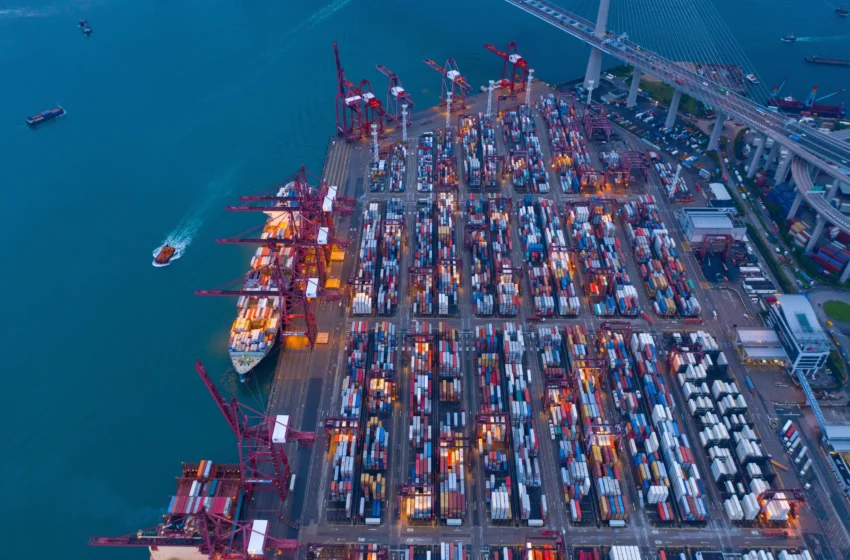
Nobody plans for three vessels arriving simultaneously after a rerouting delay.
But that’s exactly what happens. Red Sea disruptions push shipping lanes off course. Container shortages compound at the worst possible moment. A customs backlog turns a two-day yard clearance into a seven-day headache. And suddenly a port that was operating smoothly last Tuesday is fighting a backlog that won’t clear for weeks.
This isn’t rare anymore. It’s the rhythm of modern global trade.
For businesses running cargo handling services, managing container yards, or supporting shipping companies in India, fixed fleet strategies built around predictable volumes are quietly becoming liabilities. At Mazda Movers, 45 years across ports, airports, and industrial hubs has shown us one consistent pattern: operations with rental-based fleet flexibility absorb disruptions faster and recover cleaner than those locked into owned assets alone.
What Congestion Actually Looks Like on the Ground
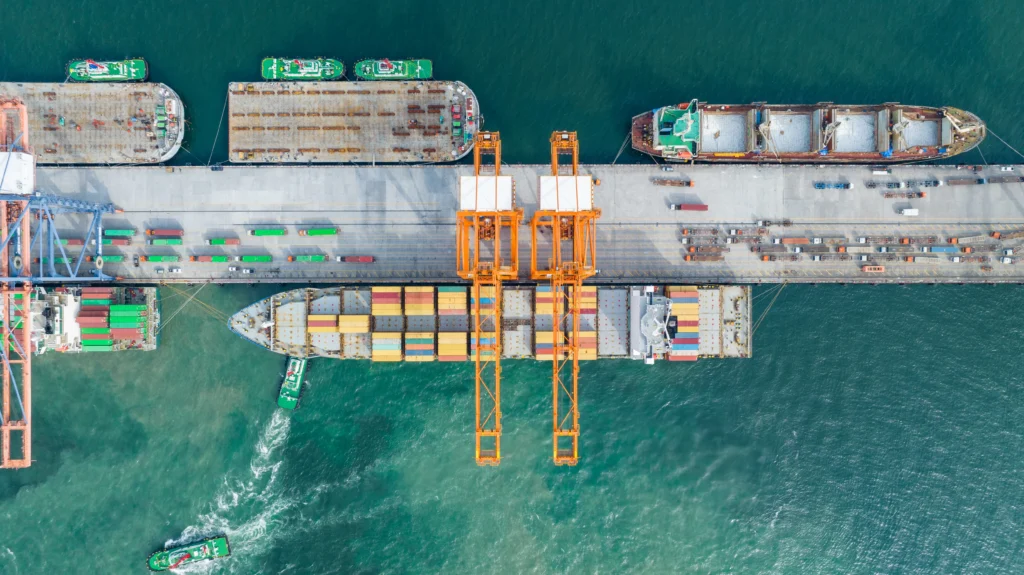
Port congestion rarely has a single cause. It’s usually several things hitting at once, vessel bunching after schedule adjustments, documentation delays, weather disruptions, equipment breakdowns, labour shortages. When ships that were spread across two weeks suddenly arrive within three days of each other, the yard has to absorb that volume whether it’s ready or not.
Without adequate container handling services behind it, congestion escalates quickly. Yards need:
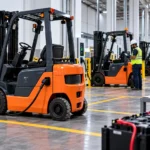
- High-capacity forklift truck fleets that can push through extended cycles
- Specialized heavy-lift equipment positioned correctly
- Forklift service support that responds fast not on a scheduled visit
When throughput spikes unexpectedly, a fixed fleet that was sized for normal operations becomes the bottleneck. That’s the problem ownership creates in volatile environments.
Why Rental Flexibility Changes the Equation
A well-structured forklift rental service model lets operators scale with cargo flow rather than fight against it.
During congestion spikes, additional forklift crane units come in for project cargo. Yard-side support strengthens where pressure is building. When things stabilize, fleets scale back down — no idle assets sitting on the balance sheet through the quiet months.
For ports serving shipping companies in Mumbai, this prevents exactly the kind of capital lock-in that hurts operations when cash flow is already under pressure from freight rate fluctuations. Forklift on rent models match demand cycles instead of fighting them.
In volatile trade conditions, that flexibility protects margins in ways that ownership simply can’t.
The Financial Case Is Straightforward
Global trade disruptions create unpredictable revenue cycles. Freight rates move. Storage charges vary. Import-export timing tightens without warning.
Carrying high capital expenditure on owned equipment through those cycles increases financial risk significantly. Rental-based strategies:
- Reduce upfront investment
- Convert fixed costs into variable ones
- Preserve working capital for core operations
- Keep balance sheets cleaner
For logistics firms exploring Forklift rental in Mumbai or seasonal fleet expansion, rental delivers operational capability without long-term financial strain. Working with an experienced Material handling equipment supplier in Mumbai means access to well-maintained fleets without managing large inventories of forklift spare parts internally. Management focus stays on cargo movement, not equipment ownership.
Congestion Puts Equipment Under Real Stress
Extended operating hours during peak congestion periods create wear and tear that normal cycles don’t. Breakdown risk increases. Safety margins tighten.
Downtime during congestion isn’t just inconvenient it’s expensive in ways that ripple across the entire yard operation. Rental strategies backed by structured annual maintenance contract programs handle this differently:
- Prompt technical intervention when something needs attention
- Certified forklift service teams who know the equipment
- Replacement unit availability when a primary unit is down
For facilities needing Top-rated forklift service in Mumbai, experienced service partnerships turn equipment reliability into a stabilizing factor during exactly the periods when instability is highest.
Congestion Doesn’t Stay at the Port
When containers back up at ports, the pressure spreads fast. Warehouses receive uneven inbound flows. Airport cargo schedules tighten as maritime delays push freight onto air channels. Yard transfers multiply.
Facilities supporting airport ground handling equipment operations feel port congestion even if they’re miles away. Integrated rental strategies balance capacity across all these nodes simultaneously. When stacking pressure builds at the port, additional forklift truck units deploy. When airport cargo demand spikes because of maritime delays, ground operations scale to match.
Businesses working with an experienced Forklift dealer in Mumbai get access to that scalable fleet alignment not scrambling for equipment mid-crisis.
Build the Strategy Before You Need It
Reactive rental during an active disruption is expensive and stressful. Proactive rental frameworks built before congestion hits are neither.
Smart logistics leaders identify peak cargo seasons, evaluate historical congestion patterns, and establish rental agreements in advance with seasonal scaling clauses, backup equipment guarantees, and structured annual maintenance contract coverage already built in. Access to certified container handler dealer support shouldn’t be something you’re arranging while the yard is backing up.
Preparation removes panic from the decision-making process entirely.
Closing Thought
Port congestion isn’t going away. Supply chain realignments, geopolitical friction, and climate disruptions will keep creating volatility that fixed strategies can’t absorb cleanly.
The operations that hold up through those cycles aren’t the ones with the most owned equipment. They’re the ones with the most flexibility.
At Mazda Movers, scalable fleet solutions, structured maintenance programs, and cargo handling services built across 45 years of real operational experience are what we bring to that challenge.
Follow us on on Instagram, Facebook and LinkedIn for insights on logistics resilience and fleet strategy.
In uncertain trade cycles, flexibility isn’t a fallback. It’s the strategy.