Introduction
Warehouses are the backbone of supply chain operations, responsible for storing, organising, and moving goods efficiently. However, even well-managed warehouses can experience operational challenges that affect productivity, increase costs, and delay order fulfilment.
Common issues such as inefficient material movement, limited storage capacity, equipment shortages, and workflow disruptions can create warehouse bottlenecks. These challenges often become more noticeable during peak seasons, business expansion, or periods of increased inventory movement.
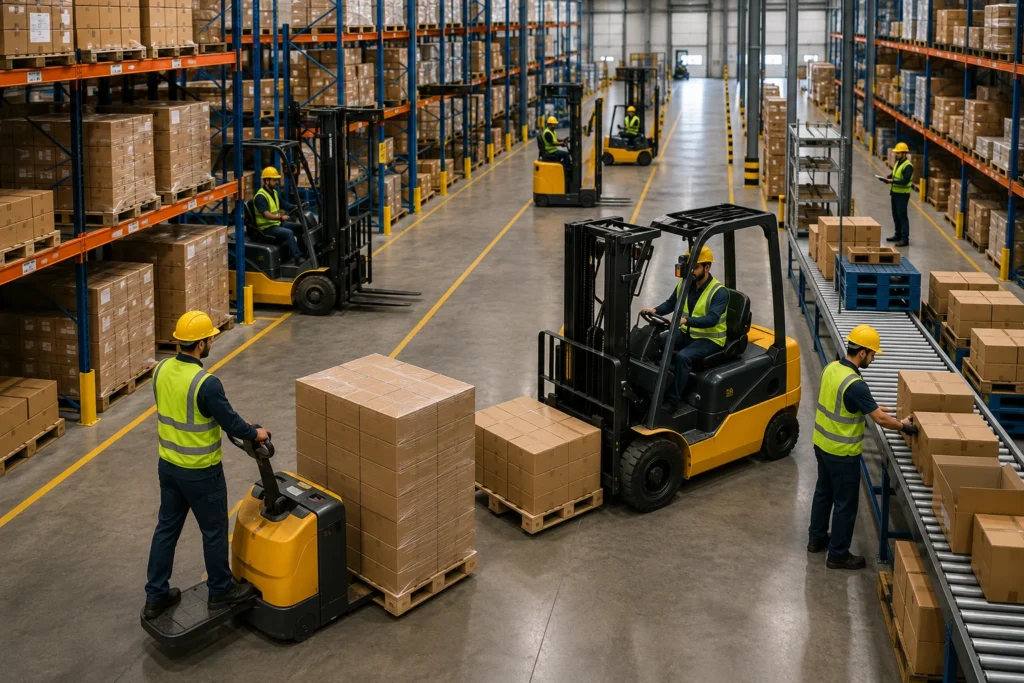
Implementing the right MHE solutions can help businesses overcome these challenges by improving material handling efficiency, reducing manual effort, and optimising warehouse operations. From forklifts and pallet trucks to stackers and other handling equipment, MHE plays an important role in maintaining smooth warehouse workflows.
What Are Warehouse Bottlenecks?
Warehouse bottlenecks are operational obstacles that slow down the movement of goods, reduce productivity, or create delays in daily processes. These issues can occur at different stages of warehouse operations, including receiving, storage, picking, packing, and dispatch.
Common causes of warehouse bottlenecks include:
- Poor warehouse layout
- Insufficient material handling equipment
- Manual handling limitations
- Equipment downtime
- Inefficient inventory movement
- Lack of operational flexibility
Identifying these challenges and implementing effective solutions helps warehouses improve performance and maintain consistent operations.
10 Common Warehouse Bottlenecks and How MHE Solutions Help
1. Slow Material Movement
One of the most common warehouse challenges is inefficient movement of materials. When goods are moved manually or with unsuitable equipment, it can increase handling time and reduce productivity.
How MHE Helps:
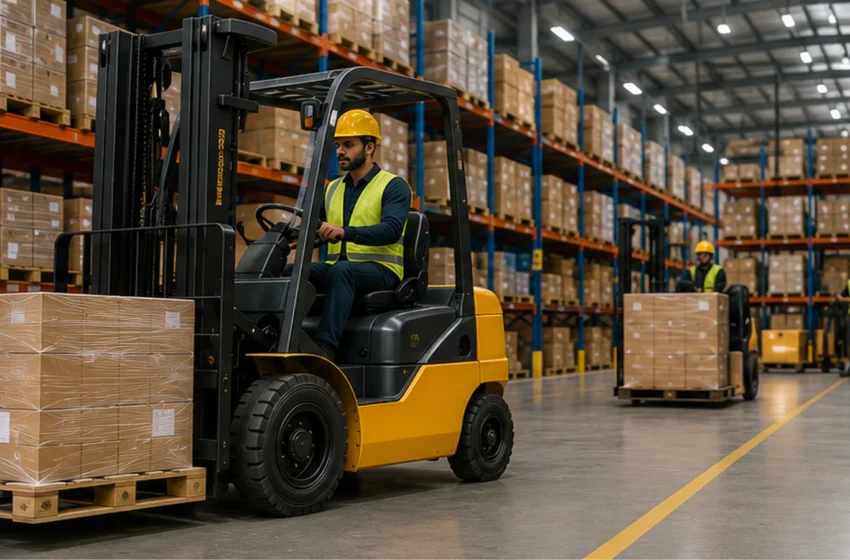
MHE solutions such as forklifts, pallet trucks, and stackers help move materials faster and more efficiently. These machines reduce manual effort and allow employees to handle heavier loads safely.
Benefits include:
- Faster transportation of goods
- Reduced physical workload
- Improved workflow efficiency
- Better use of employee time
2. Limited Warehouse Storage Capacity
As inventory increases, warehouses often struggle with limited storage space. Poor storage utilisation can make it difficult to access goods and manage inventory effectively.
How MHE Helps:
Equipment such as reach trucks and stackers helps businesses utilise vertical storage space by enabling safe lifting and stacking of materials.
This allows warehouses to:
- Maximize storage capacity
- Improve inventory organisation
- Reduce unnecessary movement
- Create better aisle management
3. Equipment Shortages During Peak Demand
Many businesses experience increased workload during seasonal demand periods, special projects, or business expansion. A shortage of equipment during these times can slow down operations.
How MHE Helps:
MHE rental for warehouse operations provides businesses with additional equipment when required. Rental solutions allow companies to increase their handling capacity without investing in additional machines permanently.
This is useful during:
- Seasonal inventory increases
- Warehouse expansion
- Temporary projects
- High-volume operations
4. Inefficient Loading and Unloading Processes
Loading and unloading shipments require speed and accuracy. Delays in these processes can affect the entire supply chain.
How MHE Helps:
Forklifts, pallet trucks, and other material handling equipment improve loading and unloading efficiency by allowing quick movement of heavy goods.
Benefits include:
- Reduced loading time
- Safer handling of materials
- Improved dock operations
- Lower risk of product damage
5. High Manual Handling Dependency
Excessive dependence on manual labour for moving heavy materials can lead to slower operations and increased workplace safety risks.
How MHE Helps:
MHE solutions reduce the need for manual lifting and transportation. Equipment helps employees handle larger loads with less physical strain.
This improves:
- Workplace safety
- Employee productivity
- Material handling speed
- Operational consistency
6. Equipment Downtime
Equipment breakdowns can create major disruptions in warehouse operations. When critical machines are unavailable, material movement slows down and productivity decreases.
How MHE Helps:
Regular maintenance and access to reliable equipment help reduce downtime. Businesses can also use MHE rental options to replace unavailable equipment quickly.
Professional support ensures:
- Faster issue resolution
- Better equipment reliability
- Reduced operational delays
- Improved productivity
7. Poor Warehouse Space Utilisation
Inefficient warehouse layouts can create unnecessary movement, blocked pathways, and difficulty accessing stored materials.
How MHE Helps:
The right MHE solutions help optimise warehouse layouts by improving movement efficiency and storage accessibility.
For example:
- Reach trucks improve high-level storage access
- Pallet trucks simplify ground-level movement
- Compact equipment supports narrow aisle operations
Choosing suitable equipment based on warehouse requirements improves overall space utilisation.
8. Difficulty Handling Heavy or Oversized Loads
Some materials require specialised equipment due to their weight, size, or handling requirements. Manual handling of such loads can be unsafe and inefficient.
How MHE Helps:
Heavy-duty forklifts and specialised material handling equipment allow businesses to safely move oversized materials.
Benefits include:
- Safer load transportation
- Reduced accident risks
- Improved handling efficiency
- Better equipment performance
9. Lack of Operational Flexibility
Warehouse requirements can change due to business growth, seasonal demand, or new customer requirements. Fixed equipment capacity may not always support changing needs.
How MHE Helps:
Flexible MHE rental for warehouse operations allows businesses to adjust equipment availability according to demand.
Companies can:
- Increase equipment during busy periods
- Reduce equipment after project completion
- Access different equipment types when needed
- Avoid unnecessary ownership costs
10. Safety Challenges in Warehouse Operations
Unsafe material movement, improper equipment usage, and poor handling practices can increase workplace risks.
How MHE Helps:
Modern MHE solutions improve safety by providing controlled and efficient material movement.
Safety improvements include:
- Reduced manual lifting risks
- Better load handling
- Improved movement control
- Safer warehouse operations
Proper operator training and regular equipment checks further improve workplace safety.
Benefits of Implementing the Right MHE Solutions
Improved Productivity
The right material handling equipment helps warehouses complete tasks faster and manage higher workloads efficiently.
Reduced Operational Costs
MHE reduces dependence on manual handling and helps businesses avoid productivity losses caused by inefficient processes.
Better Workplace Safety
Using suitable equipment reduces physical strain and improves safety during material movement.
Greater Flexibility
Rental options allow businesses to adapt equipment availability based on changing operational requirements.
Improved Inventory Management
Efficient movement and storage systems help businesses organise inventory better and reduce unnecessary handling.
Choosing the Right MHE Solution for Your Warehouse
Every warehouse has different requirements based on factors such as:
- Type of materials handled
- Storage layout
- Load capacity requirements
- Available operating space
- Daily movement volume
- Business growth plans
Before selecting equipment, businesses should evaluate their operational challenges and choose solutions that support long-term efficiency.
For businesses with temporary requirements or changing workloads, MHE rental for warehouse operations can provide a flexible and cost-effective approach.
Conclusion
Warehouse bottlenecks can reduce productivity, increase operational costs, and affect supply chain efficiency. Challenges such as slow material movement, equipment shortages, poor storage utilisation, and safety risks can be effectively managed with the right MHE solutions.
From improving material movement to supporting warehouse expansion and seasonal demand, material handling equipment helps businesses create smoother and more efficient operations.
By choosing suitable equipment and flexible options like MHE rental for the warehouse, businesses can overcome operational challenges while improving productivity, safety, and long-term performance.
Frequently Asked Questions
Q1. What are common warehouse bottlenecks?
A. Common warehouse bottlenecks include slow material movement, equipment shortages, poor storage utilisation, inefficient loading processes, and safety challenges.
Q2. How do MHE solutions improve warehouse operations?
A. MHE solutions improve warehouse operations by increasing material movement speed, reducing manual effort, improving storage efficiency, and supporting safer handling practices.
Q3. How does MHE rental for warehouse operations help businesses?
A. MHE rental for warehouse operations allows businesses to access additional equipment during peak demand, temporary projects, or expansion without large ownership costs.
Q4. Which MHE equipment helps improve warehouse efficiency?
A. Equipment such as forklifts, pallet trucks, stackers, and reach trucks helps improve material movement, storage management, and overall warehouse productivity.
Q5. Can MHE solutions improve warehouse safety?
A. Yes, MHE solutions reduce manual handling risks, improve load control, and support safer material movement when operated correctly with proper training.
→ Talk to the Mazda Movers Material Handling Team
Also, follow us on Instagram, Facebook and LinkedIn for insights on fleet modernization, automation trends, and advanced logistics strategies.