Quick Answer
India’s occupational safety framework places greater emphasis on safe working conditions, employee welfare, hazard prevention and employer responsibilities. For warehouses, this means reviewing forklift operations, material-handling procedures, equipment maintenance, operator training and workplace risk controls.
The Occupational Safety, Health and Working Conditions Code, 2020 (OSHWC Code) consolidates several existing labour laws. Warehouse operators should assess how its applicable provisions affect their facilities and ensure that forklift and MHE operations are supported by documented safety procedures, competent operators and regular equipment maintenance.
Key Takeaways
- The OSHWC Code, 2020 consolidates several occupational safety and working-condition laws.
- Warehouse operators should review workplace hazards, forklift movement, loading areas and employee safety procedures.
- Operator training, equipment inspections and planned maintenance are essential parts of safe MHE operations.
- Forklift AMC services can help identify equipment issues before they contribute to operational disruption.
- Safety compliance requires continuous monitoring, not just written policies.
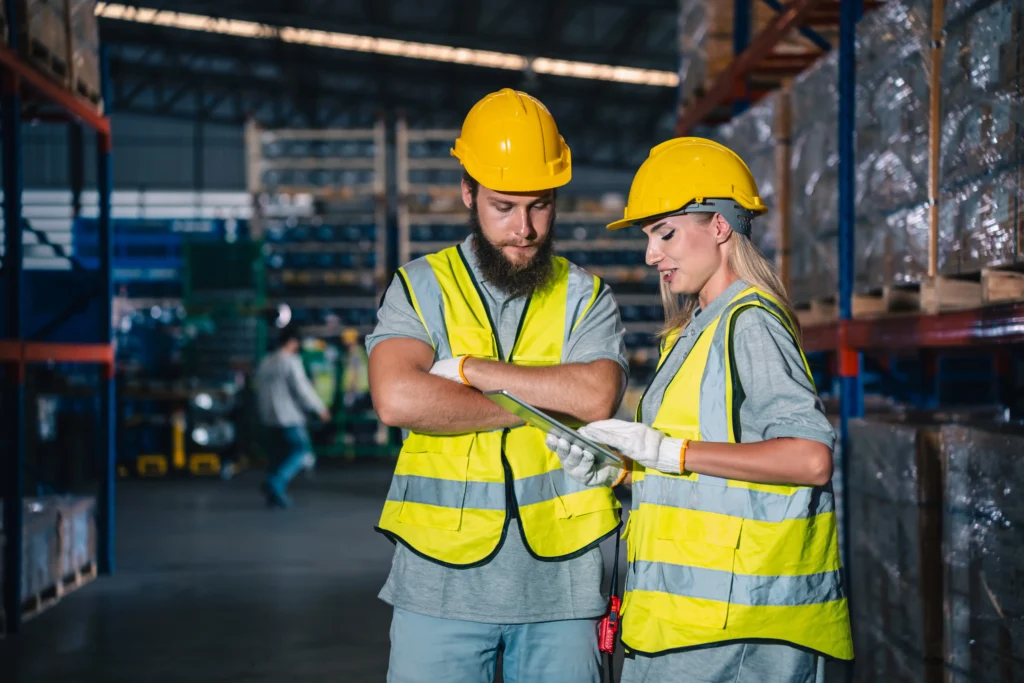
Warehouses, manufacturing facilities and distribution centres depend on material-handling equipment to move goods efficiently. Forklifts, pallet trucks, reach trucks and other MHE help manage heavy loads, but they also introduce workplace risks when equipment is unsuitable, poorly maintained or operated without adequate training.
India’s Occupational Safety, Health and Working Conditions Code, 2020 is an important development in the country’s labour and workplace safety framework. For businesses handling heavy materials, understanding the applicable requirements is an opportunity to review existing safety practices and strengthen operational controls.
The objective is not simply to meet regulatory expectations. A well-managed safety system can also help prevent accidents, reduce equipment-related disruptions and support consistent warehouse operations.
What Does India’s Occupational Safety Code Mean for Warehouses?
The OSHWC Code, 2020 brings together provisions from multiple labour laws relating to occupational safety, health and working conditions. Its framework covers areas such as workplace safety, employee health, welfare facilities and employer responsibilities, subject to its applicability and notified provisions.
For warehouse operators, the practical implications include reviewing:
- Workplace conditions and potential safety hazards.
- Safe movement of employees, vehicles and material-handling equipment.
- Equipment maintenance and operating procedures.
- Employee training and awareness.
- Emergency preparedness and incident reporting.
Businesses should verify the Code’s current commencement notifications, applicable rules and state-specific requirements rather than assuming that every provision applies uniformly to every warehouse.
What Are the Main Workplace Safety Challenges in Warehouse Operations?
1. How Can Forklift Movement Create Workplace Risks?
Forklifts operate in environments where pedestrians, storage racks, loading bays and other vehicles may share limited space. Poor traffic management can increase the risk of collisions, falling loads and damage to infrastructure.
Warehouse operators should establish designated forklift routes, pedestrian walkways, suitable warning systems and controlled access to high-traffic areas.
2. Why Is Equipment Maintenance Important for Workplace Safety?
Worn tyres, faulty brakes, steering issues, damaged forks and hydraulic problems can affect equipment performance. Continuing to operate a forklift with an unresolved defect can expose operators and nearby employees to unnecessary risks.
Pre-use inspections and planned maintenance help identify problems early. Equipment with safety-critical defects should be taken out of service until it has been inspected and made fit for operation.
3. Are Operators Properly Trained for Their Equipment?
Operating a forklift requires more than basic driving ability. Operators must understand load stability, visibility limitations, turning clearance, safe lifting practices and the specific controls of the equipment they use.
Training should be relevant to the equipment and working environment. Refresher training is also useful when operating conditions, equipment types or warehouse layouts change.
4. Are Loading and Storage Areas Designed for Safe Handling?
Uneven floors, obstructed aisles, unstable pallets and poorly planned loading zones can create risks during material movement.
Warehouse layouts should account for equipment dimensions, load characteristics, turning space, rack arrangements and pedestrian movement. Safe operating limits must follow the equipment manufacturer’s specifications.
Which MHE Is Suitable for Different Warehouse Requirements?
Equipment selection should consider load weight, dimensions, lifting height, floor conditions, aisle width and operating environment.
| Warehouse requirement | Suitable equipment | Safety consideration |
|---|---|---|
| Heavy pallet movement | Counterbalance forklift | Check load centre, capacity and travel route |
| Indoor warehouse handling | Electric forklift | Assess floor conditions and battery charging arrangements |
| High-rack storage | Reach truck | Verify aisle clearance and lifting requirements |
| Short-distance pallet movement | Pallet truck | Maintain clear pedestrian routes |
| Restricted aisle operations | Narrow-aisle equipment | Confirm actual working aisle requirements |
| Outdoor material movement | Suitable diesel forklift | Assess surface condition, traction and operating environment |
The final selection should be based on a site assessment and the manufacturer’s equipment specifications.
How Can Warehouse Operators Strengthen Forklift and MHE Safety?
A practical safety framework should combine people, equipment and workplace controls.
- Conduct a workplace risk assessment: Identify hazards around aisles, loading bays, ramps, storage racks and pedestrian routes.
- Establish traffic management rules: Separate pedestrian and forklift movement wherever possible. Use clear markings, signs and controlled crossing points.
- Introduce pre-operation inspections: Check brakes, steering, tyres, forks, hydraulic systems, lights, warning devices and other relevant components.
- Train and authorise operators: Ensure operators are trained for the equipment and tasks assigned to them.
- Monitor load handling: Follow rated capacity, load-centre and lifting-height requirements. Never exceed manufacturer limits.
- Schedule preventive maintenance: Maintain service records and address reported defects promptly.
- Review incidents and near misses: Investigate recurring issues and update procedures where necessary.
These measures should be supported by documented responsibilities, supervision and periodic safety reviews.
When Do Forklift Rental and Maintenance Services Make Sense?
Businesses do not always need to purchase additional equipment to address changing material-handling requirements.
Forklift rental services may be useful when a warehouse experiences seasonal demand, temporary projects, facility expansion or an increase in material movement. Rental can also help businesses assess equipment suitability before making a longer-term commitment.
Forklift AMC services are relevant when equipment is used regularly and requires structured maintenance support. A planned maintenance arrangement can help monitor equipment condition, address service requirements and reduce the likelihood of avoidable breakdowns.
However, rental or AMC alone does not establish workplace compliance. Businesses remain responsible for safe operating procedures, operator competence, equipment suitability and workplace risk management.
What Cost Factors Should Businesses Consider?
Workplace safety and equipment planning should account for the total operating cost, not just the rental or purchase price.
Important factors include:
- Equipment utilisation: Match fleet size to actual workload and shift requirements.
- Maintenance: Consider scheduled servicing, repairs and replacement components.
- Downtime: Assess the operational impact of equipment breakdowns.
- Operators: Include training, supervision and staffing requirements.
- Attachments: Check whether specialised attachments are necessary and compatible.
- Energy and fuel: Account for electricity, battery charging, fuel and related infrastructure.
- Safety controls: Budget for signage, floor markings, protective systems and training.
An equipment decision should balance productivity, operating cost and safe handling requirements.
What Should Indian Warehouse Operators Keep in Mind?
Indian warehouses often support fast-moving supply chains across automotive, manufacturing, aviation, e-commerce and logistics sectors. Facilities may operate multiple shifts and handle different load types within the same premises.
Monsoon conditions can also affect outdoor forklift routes, ramps and loading areas through water accumulation and reduced traction. Businesses should review drainage, floor condition and equipment suitability before continuing operations in affected areas.
Since labour and workplace safety requirements can involve central and state-level provisions, warehouse operators should consult the applicable notifications, rules and competent compliance professionals for their location and establishment.
Common Safety Mistakes to Avoid
- Allowing untrained or unauthorised personnel to operate forklifts.
- Ignoring minor equipment defects or repeated warning signs.
- Overloading equipment or using unsuitable attachments.
- Allowing pedestrians and forklifts to share poorly controlled routes.
- Skipping pre-operation inspections during busy shifts.
- Treating maintenance as a response to breakdowns only.
- Assuming that renting equipment transfers workplace safety responsibilities.
Industry Insight: Safety Must Be Part of Everyday MHE Operations
From our perspective at Mazda Movers, material-handling safety depends on more than selecting the right forklift. Equipment condition, application suitability, operator practices and the working environment all influence how safely a warehouse functions.
A forklift that is appropriate for one facility may not be suitable for another with different aisle dimensions, floor conditions or load requirements. This is why equipment selection and maintenance planning should be considered together.
Businesses should treat safety checks and preventive maintenance as regular operational activities rather than tasks to address only after a problem occurs.
How to Choose the Right Forklift and MHE Partner
Before selecting an equipment or maintenance partner, check whether they can:
- Understand your load types and material-handling requirements.
- Recommend equipment based on the warehouse layout and application.
- Explain equipment specifications and operating limitations.
- Support planned maintenance and equipment inspections.
- Provide clear service processes and communication.
- Help assess changing requirements across shifts or projects.
The right partner should support equipment suitability and maintenance planning while allowing your business to retain responsibility for workplace safety and compliance.
Why Mazda Movers?
Mazda Movers supports businesses with forklift rental, material-handling equipment solutions and Annual Maintenance Contract (AMC) services. These solutions can help warehouses plan equipment availability and maintain their material-handling operations.
Whether a business needs equipment for changing workloads or structured maintenance support for its existing fleet, selecting the right MHE solution is an important part of operational planning.
Key Takeaway: Build Safety Into Every Material-Handling Decision
India’s occupational safety framework makes it important for warehouse operators to review how people, equipment and workplace conditions interact. Appropriate forklift selection, trained operators, controlled movement routes and planned maintenance all contribute to safer operations.
Mazda Movers can help businesses evaluate forklift rental and maintenance requirements as part of their material-handling planning.
Frequently Asked Questions
Q1. What is the occupational safety code for warehouses in India?
The OSHWC Code, 2020 consolidates several labour laws relating to occupational safety, health and working conditions. Its applicable provisions should be reviewed alongside relevant rules and notifications.
Q2. How can warehouses improve forklift safety?
Use trained operators, designated travel routes, pre-use inspections, safe load-handling procedures and planned equipment maintenance.
Q3. Why are forklift AMC services important?
Forklift AMC services support scheduled maintenance, equipment condition monitoring and timely attention to service requirements.
Q4. Does forklift rental include workplace safety compliance?
No. Rental provides access to equipment, but the warehouse operator remains responsible for safe operations, operator training and applicable workplace compliance.
Q5. What should be checked before selecting a warehouse forklift?
Consider load weight, dimensions, lifting height, aisle width, floor conditions, operating environment and manufacturer specifications.
Related Reads
Compliance starts with everyday safe practice on the warehouse floor. If you read one more guide, we recommend Forklift Safety Rules Every Warehouse Should Follow, which sets out the basic rules every warehouse should follow. The other two cover material-handling hazards and operator training that helps reduce incidents.