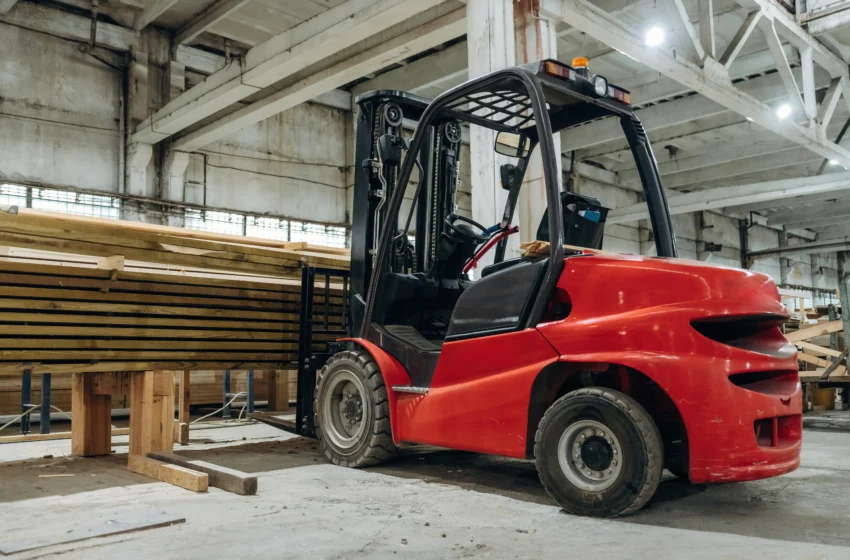
A Forklift Truck is the power unit of modern logistics. Every day forklifts transport millions of tons of material, whether it be from the aisles of a warehouse or from an airport tarmac. However, not every forklift is the same — picking the correct kind of forklift can be the distinction between smooth operations and costly downtime.
What is a Forklift, Exactly?
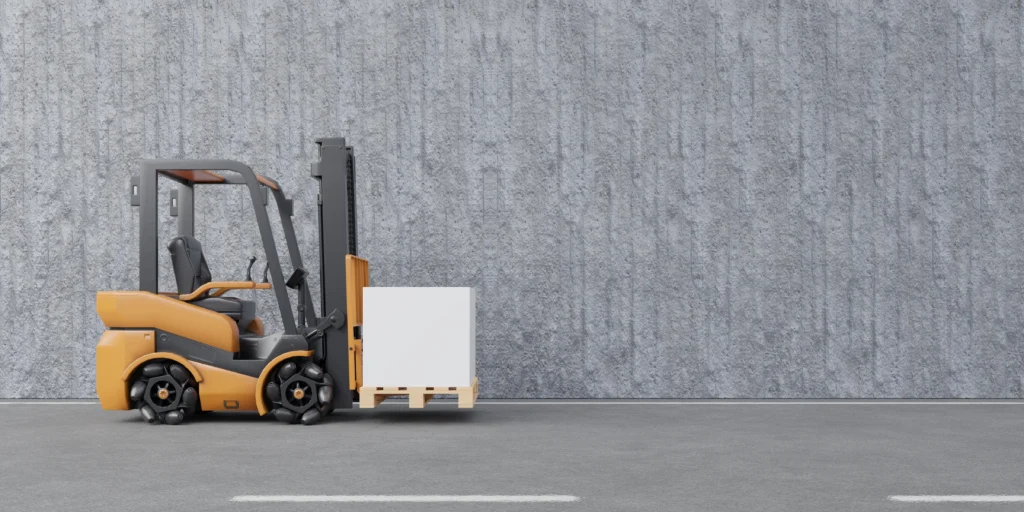
So, what is a Forklift?
A forklift is a powered industrial vehicle used to lift, move, stack, and transport materials using fork arms positioned beneath pallets or loads. It’s the foundation of material handling operations all over the world.
Key components:
- Mast: Up and down structure to lift the load
- Forks: Horizontal prongs on which load is carried
- Hydraulic system: Powers lifting and tilting functions
- Counterweight: Balances loads lifted at the front of the forklift
- Wheels/tyres: Front wheels are power driven and rear wheels are used for steering
Typically 1-25 tons (depending on the model), load capacity varies.
Types of Forklifts – Which One Do You Need?
With the variety of forklift types available, which one does your business need?
Most common – Counterbalance Forklifts.
- Suitable for: Warehouses, factories, ports, etc.
- Load capacity: 1-8 tons
- Limitation: Requires wider aisles and more operating space than reach trucks.
- Disadvantages: Floor space
2. Reach Forklifts
- Best suited for: Narrow aisles and high-racking applications
- Load capacity: 1.5-3 tons
- Disadvantages: Primarily designed for indoor warehouse use and generally has lower load capacities than counterbalance forklifts.
- Disadvantages: Less speed, less capacity
3. Telehandlers (Boom Lifts)
- Ideal for: Construction, outside work
- Load capacity: 2-5 tons (at different heights)
- Advantages: The telescopic boom allows loads to be placed at extended heights and distances.
- Drawbacks: High cost, requires large areas.
5. Pallet Forklift Trucks (Manual or Electric)
- Suitable for: Short-distance movement of palletised goods within warehouses and distribution centres.
- Load capacity: 2-3 tons
- Disadvantages: Designed for horizontal movement rather than high stacking applications.
- Drawbacks: Limited lift height; manual models may contribute to operator fatigue.
5. Rough-Terrain Forklifts
- Suitable for: Building locations, uneven surfaces
- Load capacity: 2-5 tons
- Benefits: It can be used on dirt, gravel and slopes.
- Drawbacks: Not suitable for a smooth floor in the warehouse
Forklift Fuel Types – What Powers Your Equipment?
What’s fueling your Forklift? Forklift Fuel Types.
Diesel Forklifts
- Ideal to use for: Heavy duty, outdoor operations
- Cost: Forklifts are normally measured in operating hours, not kilometres.
- Cons: Higher emissions, noise levels, and maintenance requirements compared to electric alternatives.
- The disadvantages are emissions, noise and a need for ventilation.
LPG, also known as Liquefied Petroleum Gas, is a type of fuel gas.
- Ideal for: Operations that need to be run both indoors and outdoors.
- Cost: ₹4-6 per km
- Cons: More expensive, higher maintenance costs, less range than diesel, noisier than petrol. Produces lower emissions than diesel but still requires fuel storage and ventilation considerations.
- Cons: LPG infrastructure not available to supply
Electric Forklifts
- Typical application: Indoor warehouses, food facilities, pharmaceutical operations, and other enclosed environments.
- Cost: ₹2-3 per Km (electricity)
- Cons: Expensive, Requires battery charging or battery-swap infrastructure and may have higher upfront costs.
- The downsides are that it may take a long time to charge the battery, and it is more expensive initially, and some electric forklifts can operate outdoors, depending on the environment and equipment specifications.
Manual (Human-Powered)
- Use for: Moving palletised loads over short distances in warehouses, retail facilities, and loading areas.
- Time of use: Brief (a few hours)
- The advantages are that it requires no fuel, is easy to operate, and is cost-effective.
- Cons: fatigue of operator, slow, limited capacity
Forklift Load Capacity – What Can It Really Carry?
When it comes to forklifts, one of their key performance metrics is the load capacity they can handle.
There are huge differences in load capacity:
| Forklift Type | Typical Capacity | Lift Height | Cost (Rental/Month) |
| Counterbalance (2T) | 2 tons | 4-6 meters | ₹20,000-30,000 |
| Counterbalance (5T) | 5 tons | 4-6 meters | ₹30,000-50,000 |
| Reach Forklift | 2 tons | 10-13 meters | ₹35,000-50,000 |
| Telehandler | 3 tons | 15+ meters | ₹50,000-80,000 |
Important: Overloading can lead to tip-overs, equipment damage, load instability, and serious safety risks.
Forklift vs Pallet Jack – What’s the Difference?
| Feature | Forklift | Pallet Jack |
| Load Capacity | Typically 1–25 tons (depending on model) | Typically 2–3 tons |
| Lift Height | Approximately 4–13 metres (depending on type) | Raises pallets only a few inches/centimetres off the ground for movement |
| Speed | Powered operation; speed varies by model and application | Manual or electric; generally slower than forklifts |
| Power Source | Diesel, LPG, or electric | Manual or electric |
| Rental Cost (Approx.) | ₹20,000–80,000/month | ₹5,000–15,000/month |
| Best Use | High-volume material movement, stacking, and loading operations | Short-distance movement of palletised goods at ground level |
| Operating Environment | Warehouses, factories, logistics centres, ports, and outdoor yards | Warehouses, retail backrooms, loading bays, and distribution centres |
| Advantages | Higher lifting capacity, greater reach, faster material handling | Cost-effective, easy to operate, minimal maintenance requirements |
| Limitations | Higher purchase and operating costs; requires trained operators | Limited lift height and suitability for heavy-duty stacking |
Decision: Forklift for efficiency of moving large volumes; pallet jack for the occasional move or for a short distance.
How Forklifts Work – The Hydraulic System
How Forklifts Work – Hydraulic System.
- The operator pulls a hydraulic lever which presses the fluid in the hydraulic pump.
- When the pressure forces the cylinders the mast expands upwards.
- Forks move up smoothly (load lifted)
- Tilt function – operator tilts the mast back for stability.
- When hydraulic pressure is released, the forks are lowered in a controlled manner.
Modern forklifts incorporate safety systems designed to support controlled operation and reduce operational risks.
Rent vs Buy – The Economics
The Economics of Renting vs Buying.
Rent (₹20,000-50,000/month):
- ✓ No capital outlay
- ✓ Maintenance included
- ✓ Flexibility (seasonal peaks)
- ✗ Long-term costs higher
Buy (₹10-30 lakhs):
- ✓ Lower long-term cost
- ✓ 100% asset control
- ✗ Maintenance responsibility
- ✗ Capital locked up
Smart approach: Lease when demand is unpredictable, purchase when demand is stable and continuous throughout the year.
Safety Considerations
- ✓ Proper load securing (no overstacking)
- ✓ Clear signage and speed limits
- ✓ Collision warning systems (modern equipment)
- ✓Only trained and authorised operators should operate forklifts in accordance with workplace safety requirements.
- ✓ Regular checks of equipment (monthly minimum)
Key Takeaway:
Forklifts aren’t one-size-fits-all. Select according to load capacity, lift height, type of fuel and space required for operation. Renting from experienced equipment providers can help businesses access suitable equipment, maintenance support, and operational flexibility without significant upfront investment, alleviating the capital burden.
Follow us on Instagram, Facebook and LinkedIn for real insights on fleet modernization and carbon-smart logistics.
FAQ’s
Q1. What is a forklift used for?
A. A forklift is used to lift, move, stack, and transport heavy materials in warehouses, factories, and logistics centers. It improves efficiency and reduces manual handling.
Q2. What are the different types of forklifts?
A. Common forklift types include electric forklifts, diesel forklifts, reach trucks, pallet stackers, and rough terrain forklifts. Each is designed for different industrial and warehouse needs.
Q3. What fuel types are used in forklifts?
A. Forklifts typically run on electric batteries, diesel, LPG, or petrol. Electric models are ideal for indoor use, while diesel and LPG are suited for heavier outdoor operations.
Q4. What is the load capacity of a forklift?
A. Forklift load capacity refers to the maximum weight it can safely lift and carry. Standard forklifts usually handle between 1 to 5 tons depending on the model.
Q5. What is the difference between a forklift and a pallet jack?
A. A forklift can lift heavy loads to higher levels, while a pallet jack mainly moves pallets at ground level. Forklifts are powered machines, whereas pallet jacks are simpler handling tools.