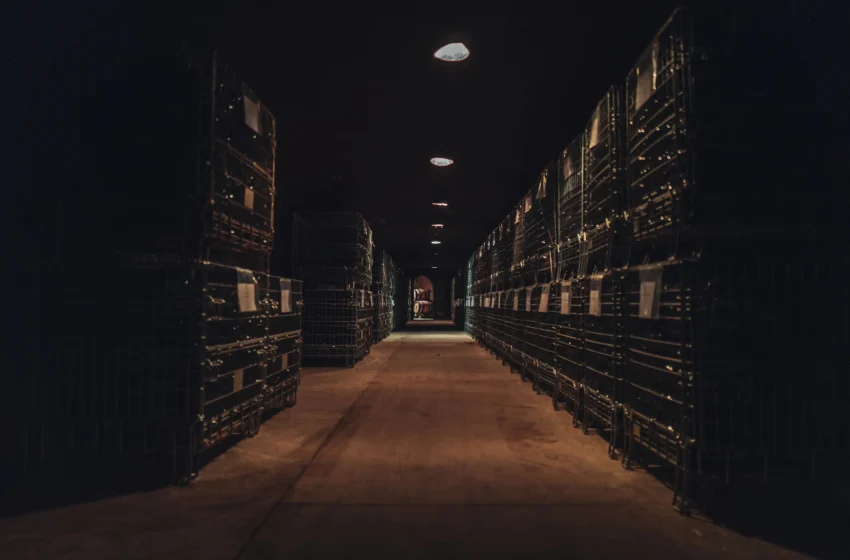
Picture a warehouse running at 2am with no lights on.
No shift supervisor doing rounds. No operator climbing into a forklift truck. Just equipment moving autonomously, systems talking to each other, inventory updating itself in real time. The whole facility humming along in near darkness efficiently, continuously, without anyone asking it to.
Sounds futuristic, right? It’s actually happening right now. And India’s logistics sector is closer to this reality than most people realize.
At Mazda Movers, 45 years of supporting ports, airports, and industrial operations has taught us one thing about industry shifts the companies that prepare early don’t just survive the transition. They define it.
So What Actually Is a Dark Warehouse?
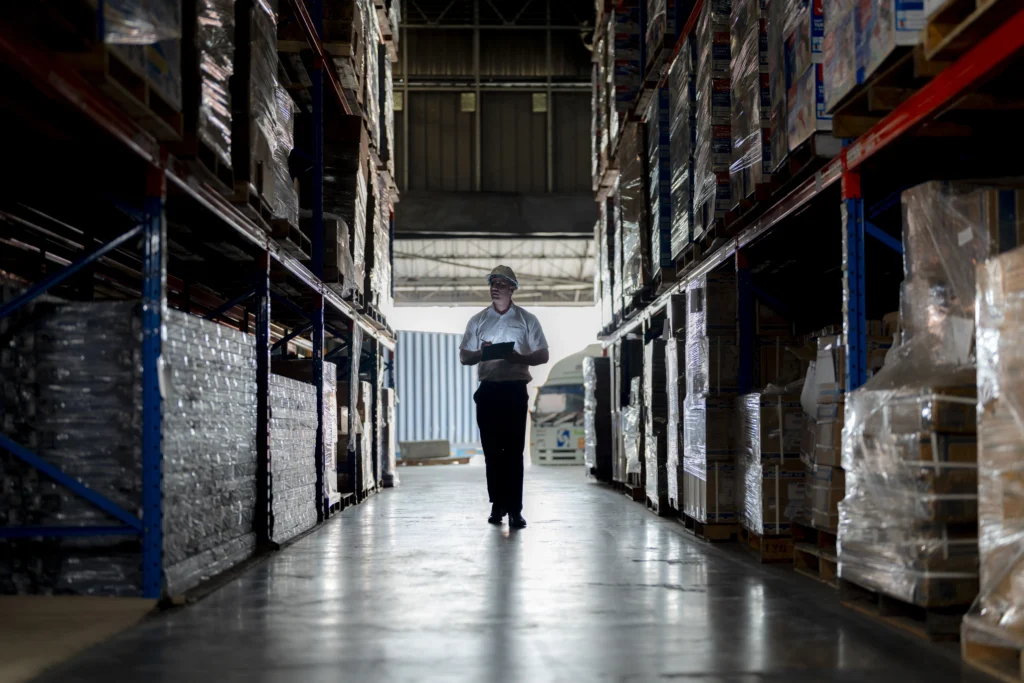
The name says most of it. A dark warehouse is built to run with minimal human presence. Automation handles goods movement, storage allocation, picking, sorting, and inventory management continuously, without coffee breaks or shift changes.
These facilities depend heavily on:
- Electric material handling solutions
- Automated guided vehicles
- Smart warehouse management systems
- AI-driven scheduling
Because automated systems don’t need full lighting or constant human oversight, energy consumption drops significantly. But here’s the part that often gets underestimated, automation creates new demands. Equipment reliability, service response times, and maintenance discipline all become non-negotiable rather than important.
Round-the-Clock Operations Leave No Room for Breakdowns
Traditional warehouses run two or three shifts. There are natural gaps — windows where equipment can be serviced, inspected, rested.
Dark warehouses don’t have those gaps. They run continuously, and that changes everything about how you manage a fleet.
A malfunctioning forklift truck in a traditional setup slows a shift. In a 24/7 automated environment, that same breakdown can bring the entire flow chain to a standstill. That’s not an exaggeration it’s just physics. When every system depends on the one before it, a single failure point doesn’t stay local.
This is exactly why structured annual maintenance contract programs stop being optional. Facilities need:
- Scheduled predictive inspections not reactive ones
- Readily available genuine forklift spare parts
- Forklift service support that responds fast
For businesses in Mumbai moving toward advanced automation, working with a dependable Material handling equipment supplier in Mumbai isn’t just convenient it’s what keeps the whole operation standing.
Electrification Isn’t Optional Here
Diesel-powered equipment has no place in a dark warehouse. Enclosed, automated, energy-optimized facilities simply can’t run on diesel — emissions, noise, and energy inefficiency all work directly against what automation is trying to achieve.
Electric equipment, on the other hand, fits naturally:
- Zero direct emissions
- Significantly lower noise levels
- Full compatibility with energy optimization strategies
More businesses are now working with an Electric forklift dealer in Mumbai to transition their fleets toward automation-ready models. Forklift crane variants and specialized electric lifting systems are already integrating with warehouse management software in pilot facilities across the country.
For companies that previously relied on short-term forklift on rent, the shift to automation might seem like it demands immediate large capital commitment. It doesn’t have to. A flexible forklift rental service can absolutely support pilot automation projects while you figure out what long-term fleet ownership actually looks like for your operation.
Port and Airport Integration Makes This More Complex
India’s supply chains aren’t isolated anymore. Warehouses connected to ports running container handling services are expected to synchronize automated internal systems with inbound and outbound flows that don’t wait for technical difficulties to resolve themselves.
Automated unloading sequences need to align with container yard schedules. Inventory allocation needs to respond to live shipping updates. Facilities supporting airport ground handling equipment face the same pressure, cargo movement between airside operations and automated storage has to stay synchronized, or the whole chain suffers.
For shipping companies in Mumbai, automation at the warehouse level improves speed significantly. But it raises the stakes for service partnerships. One breakdown doesn’t just hurt warehouse productivity — it hits port and airport timelines too.
Partnering with a trusted Forklift dealer in Mumbai or Top-rated forklift service in Mumbai means automated operations have experienced technical backing when things get complicated.
Energy Efficiency — Where the ROI Actually Shows Up
Reduced lighting. Optimized movement paths. AI-driven scheduling. Electric fleets.
Each of these delivers cost savings independently. Combined inside a dark warehouse model, the energy efficiency gains are genuinely substantial and they compound over time.
AI systems track charge cycles, battery performance, and equipment load frequency continuously. Maintenance structured around annual maintenance contract models keeps electric systems safe, compliant, and performing at the level the investment requires.
For high-volume cargo handling services, this long-term ROI improvement is often what makes the business case for automation actually work.
Real Challenges Worth Taking Seriously
Dark warehouses aren’t a plug-and-play solution. Before transitioning, operations need:
- Strong digital infrastructure that can handle continuous system load
- Skilled technical support teams not just operators
- Backup fleet planning for when primary systems need attention
- Safety protocol upgrades suited to automated environments
Automation shifts risk rather than eliminating it. Operator errors become less frequent. System integration failures, software downtime, and electrical infrastructure issues become more relevant. Having scalable support through an experienced service partner is what keeps continuity intact when those issues surface.
Is India Ready?
Parts of it absolutely are. Large distribution centers in metro regions are already running automation pilots. E-commerce hubs, industrial corridors, port-adjacent logistics parks, and airport cargo complexes are all moving in this direction at varying speeds.
But readiness comes down to three things — equipment reliability, service infrastructure, and energy compliance. For companies exploring Forklift rental in Mumbai as part of expansion planning, rental models offer a sensible way to support phased automation without locking up capital before you’re certain.
What Warehouse Leaders Should Actually Do Right Now
Not next quarter. Now.
- Run a fleet readiness audit
- Build an electrification roadmap
- Review existing maintenance contracts honestly
- Evaluate energy infrastructure gaps
- Assess whether your service partners can support automated operations
Automation isn’t just about installing robots and watching throughput climb. It’s about strengthening the entire material handling ecosystem underneath those robots because that’s what they depend on.
Conclusion: The Future Is Dark. Your Strategy Shouldn’t Be.
Dark warehouses are coming to India’s logistics landscape, not eventually, but actively. Continuous operations, energy optimization, higher throughput, reduced manual dependency, the advantages are real and measurable.
But none of it works without reliable material handling solutions, structured forklift service, scalable fleet support, and maintenance frameworks that don’t cut corners.
At Mazda Movers, we’ve spent 45 years making sure the equipment behind India’s ports, airports, and industrial supply chains doesn’t let operations down. That experience doesn’t become less relevant when automation enters the picture it becomes more relevant.
Follow us on Instagram, Facebook and LinkedIn for insights on fleet modernization, automation trends, and advanced logistics strategies.
The warehouse of the future may be dark. But the strategy behind it needs to be the clearest thing in the room.