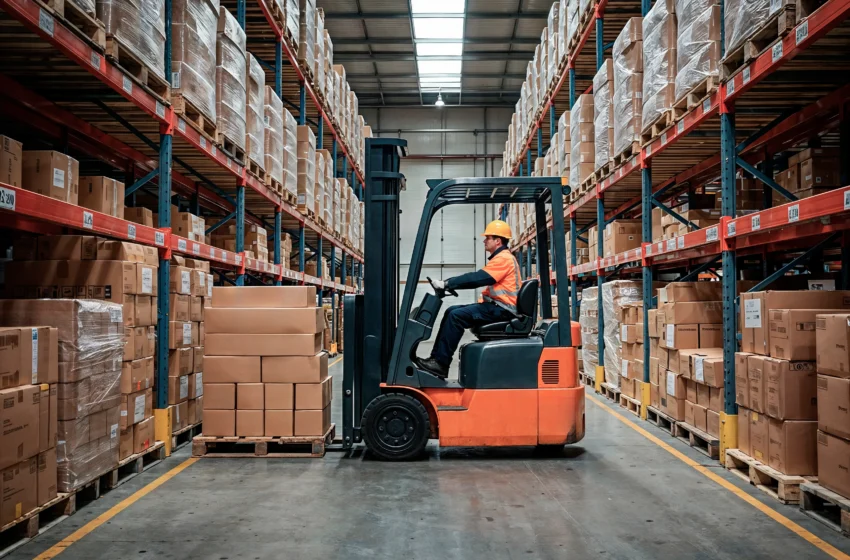
Material Handling Equipment (MHE) is the hidden force behind today’s supply chains. MHE moves millions of kilograms daily across the ports, warehouses, airports and factories of India, ensuring operations are efficient, cost-effective and safe.
So what is MHE service and what kinds does your operation need?
What is Material Handling Equipment (MHE)?
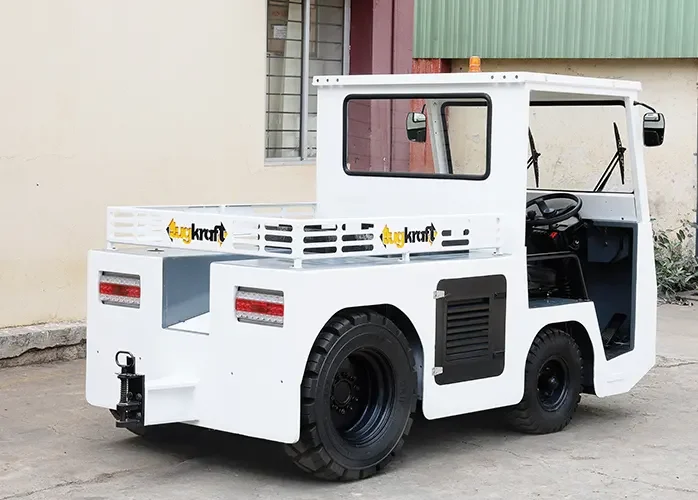
MHE is an umbrella term for equipment used to move, store, protect, and control materials and products throughout manufacturing, warehousing, distribution, and logistics operations.
MHE includes:
- Lifting equipment: Forklift, Pallet Jack, Crane
- Conveying systems: Conveyor belts, rollers, sorters
- Stacking equipment: Shelving, racks, pallet racking
- Automated systems: Automated Guided Vehicles (AGVs), Automated Storage and Retrieval Systems (AS/RS)
- Handling and storage accessories: Bins, containers, pallets, and storage systems.
Types of MHE – Manual, Semi-Automated & Fully Automated
1. Manual MHE
Equipment that is powered by human effort:
- Pallet jacks
- Hand trucks
- Carts
- Simple shelving and racks
Cost:
- ₹5,000-50,000 per item
Pros:
- Low cost
- Easy to install and maintain
- Compact design
Limitation:
- Operator fatigue
- Reduced throughput
2. Semi-Automated MHE
Equipment to lessen the human effort:
- Electric pallet jacks
- Powered conveyors
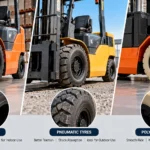
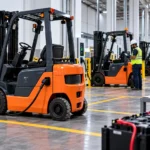
- Electric forklifts and powered material-handling equipment
Cost:
- ₹20,000-200,000 per item
Most suitable for:
- Medium warehouses
- Moderate volume
Disadvantage:
- Higher upfront costs than manual equipment and some dependence on power infrastructure.
3. Fully Automated MHE
Equipment that requires little or no human involvement:
- Automated Guided Vehicles (AGVs)
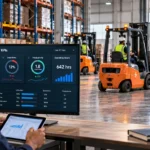
- Automated Storage/Retrieval Systems (AS/RS)
- Robotic picking systems
- Automated sortation systems and robotic handling solutions.
Cost:
- ₹50 lakhs to 5 crores per system
Suitable for:
- Large warehouses
- Large-volume operations like ecommerce and pharma
Disadvantage:
- High initial investment and implementation costs.
- Higher installation and maintenance costs
MHE in Warehouses – What Does It Really Do?
1. Receiving & Unloading
- Forklifts unload trucks
- Conveyor systems move goods into staging and sorting areas
- Less handling and increased throughput
2. Putaway & Storage
- Location-organized pallet racking
- Forklifts and specialised warehouse trucks can store pallets at significant heights depending on rack design and equipment type.
- Small shelving used for small items
- Automated systems retrieve products when required
3. Order Picking
Manual:
- Operators walk aisles with carts
- Slow and prone to errors
Semi-automated:
- Conveyor systems move items to pickers
- Faster operations
Fully automated:
- Robots pick and deliver items
- Fast and accurate
4. Packing & Shipping
- Conveyor systems transport products to packing stations
- Stretch wrappers seal packages
- Scales and sortation systems help direct packages to the correct shipping lanes.
Quality & Efficiency Gains from MHE
Disclaimer: The performance figures shown are indicative only and may vary based on warehouse size, product type, inventory profile, facility layout, workforce efficiency, equipment specifications, and operational processes. Actual results will depend on the specific requirements and conditions of each operation.
| Operation | Manual | With MHE | Improvement |
| Receiving/hour | 20 pallets | 80-100 pallets | 80-400% faster |
| Error rate | 3-5% | 0.5-1% | 85% fewer errors |
| Space utilization | 60% | 85-95% | 40-60% more capacity |
| Labour cost/pallet | ₹100-150 | ₹20-30 | 70-80% savings |
| Uptime | N/A | 95-99% | Higher reliability |
Manual vs Automated MHE – When to Use Each?
Use Manual MHE When:
- Volume is low under 100 pallets/day
- Space is limited
- Budget is tight
- Operations are seasonal
Use Semi-Automated MHE When:
- Volume is between 100-500 pallets/day
- Reliability is needed without full automation
- Space optimization is important
- Labour is costly
Use Fully Automated MHE When:
- Automation may become more viable as throughput requirements, labour costs, and operational complexity increase.
- 24/7 operations are critical
- Error rates matter
- Space is premium
Choosing the Right MHE – Key Decision Factors
Warehouse size:
- 1,000 sq ft = manual
- 5,000 sq ft = semi-auto
- 20,000+ sq ft = automated
Equipment selection should be based on throughput, inventory profile, available space, and long-term operational requirements.
Daily volume:
- Under 100 pallets = manual
- 100-500 = semi-auto
- 500+ = automated
Throughput requirements are one of several factors that influence the level of automation required.
Product type:
- Heavy or bulky = forklifts
- Small or fragile = conveyors
- Mixed = hybrid systems
Aisles:
- Tight aisles = reach forklift
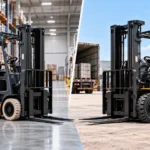
- Open aisles = counterbalance forklift
Budget:
- Manual = ₹1-10 lakhs
- Semi-auto = ₹10-50 lakhs
- Automated = ₹1-5 crores
Investment requirements vary significantly depending on equipment type, facility size, and automation levels.
Labour availability:
- Less labour = more automation
- More labour = more manual systems
Growth plans:
- Expandable systems are better than fixed equipment
MHE Rental vs Purchase: What is Better?
Rent (for seasonal or uncertain demand)
- ₹5,000-80,000/month per unit
- Maintenance included
- No capital outlay
- Ideal during growth stages
Purchase (for regular year-round requirements)
- ₹50,000-5 crores upfront
- Complete ownership and control
- Maintenance responsibility remains with owner
- Better long-term ROI
Smart strategy:
- Lease essential equipment like forklifts and conveyors
- Long-life infrastructure such as racking systems is often purchased, while mobile equipment may be rented for greater flexibility.
Key Takeaway
Material Handling Equipment (MHE) transforms warehouses from labour-intensive operations into capital-efficient systems.
The right MHE combination matched to your:
- Volume
- Space
- Budget
can improve operational efficiency, accuracy, and workplace safety while helping control operating costs.
Whether you are launching a new operation or expanding an existing facility, Connect with Mazda Movers for MHE solutions. We rent, maintain, and optimize equipment, so you can focus on growth. With extensive experience in material-handling solutions, Mazda Movers helps businesses improve operational efficiency through reliable equipment and support services.
Also, follow us on Instagram, Facebook and LinkedIn for insights on fleet modernization, automation trends, and advanced logistics strategies.