Quick Answer
Before renting ground handling equipment, airport operators should verify equipment suitability, operational condition, maintenance history, safety compliance, availability, deployment timelines, and total rental costs. The equipment must match the intended task, load requirements, operating environment, and airport-specific procedures.
A thorough airport ground support equipment rental checklist should also cover operator requirements, breakdown response, replacement arrangements, rental duration, and maintenance responsibilities. Businesses considering GHE on rent should evaluate not only the rental price but also whether the equipment can support reliable operations throughout the agreed period.
Key Takeaways
- Match rented equipment to the handling task, load characteristics, and operating environment.
- Check inspection records, maintenance responsibilities, and procedures for reporting defects.
- Confirm delivery schedules, equipment availability, replacement arrangements, and rental terms.
- Include operators, attachments, fuel or charging, transport, and downtime in the cost assessment.
- Verify airport-specific safety, access, and operating requirements before deployment.
Airport ground handling depends on coordinated movement between aircraft, terminals, cargo facilities, and warehouses. Baggage, cargo, pallets, and operational supplies must be handled using equipment suited to each task. When equipment is unavailable, unsuitable, or poorly maintained, ground handling teams may experience interruptions, congestion, and avoidable delays.
Renting equipment can offer flexibility when demand increases, existing units require maintenance, or a facility needs additional handling capacity for a defined period. However, the decision involves more than finding a supplier with available equipment.
Operators need to understand what the equipment will do, where it will operate, how it will be maintained, and what happens if it becomes unavailable. A structured assessment helps reduce operational uncertainty and supports safer equipment deployment.
What Should Operators Check Before Renting Ground Handling Equipment?
1. Is the equipment suitable for the intended task?
The first step is to define the job. A forklift used for palletised cargo inside a warehouse serves a different purpose from specialised equipment used for baggage transfer or aircraft servicing.
Before requesting a rental quotation, identify:
- The material or cargo being handled.
- Load weight, dimensions, and stability requirements.
- Lifting height, travel distance, and operating frequency.
- Aisle width, floor conditions, turning space, and access restrictions.
- Required attachments and compatibility with the equipment.
- Whether the equipment will operate in a warehouse, cargo terminal, or airside area.
Do not assume that equipment available for rent is automatically suitable for the intended application.
2. What are the ground handling equipment maintenance requirements?
Equipment condition directly affects operational readiness. Before accepting a unit, ask about its maintenance history, inspection process, known defects, and service arrangements.
The assessment should cover:
- Records of scheduled servicing and relevant inspections.
- The process for identifying and reporting defects.
- The condition of tyres, forks, brakes, steering, warning devices, and other relevant components on a forklift.
- The condition of batteries, charging systems, or fuel-related components, where applicable.
- The process for taking defective equipment out of service.
- Responsibility for routine maintenance, repairs, and replacement parts.
Maintenance requirements vary by equipment type and manufacturer. Operators should follow the applicable instructions and site procedures rather than relying on a generic inspection list.
3. Can the supplier meet the required deployment schedule?
Equipment availability must align with the operating plan. A unit that arrives after a peak cargo period or planned maintenance window may provide little practical value.
Confirm the delivery date, expected handover time, rental start date, and any conditions that could affect deployment. For airport operations, also clarify whether site access, vehicle approval, induction, or other permissions are required before the equipment can be used.
4. What happens if the equipment breaks down?
A rental agreement should explain the process for handling equipment failure. Operators should understand whom to contact, how quickly the supplier will respond under the agreed terms, and whether a suitable replacement can be arranged.
Clarify:
- The breakdown reporting and escalation process.
- Whether on-site service is available and under what conditions.
- Responsibility for repair costs and replacement parts.
- Replacement equipment availability and expected response arrangements.
- How rental charges are handled during equipment downtime.
Do not rely on informal assurances. Important service commitments should be documented.
Which Equipment Should Be Considered for Rental?
The appropriate equipment depends on the handling activity and the operating environment.
| Handling requirement | Potential equipment | Key checks before renting |
|---|---|---|
| Palletised cargo movement in warehouses | Forklift | Load capacity, lift height, aisle width, and fork suitability |
| Short-distance movement of palletised goods | Pallet truck | Load compatibility, floor condition, and movement frequency |
| Cargo loading and unloading within warehouse facilities | Suitable forklift or specialised handling equipment | Cargo dimensions, handling method, and access |
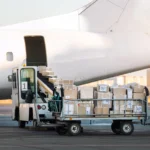
| Baggage transfer around aircraft | Purpose-built baggage handling equipment | Operational compatibility, airport approval, and safety requirements |
| Aircraft servicing activities | Relevant specialised ground support equipment | Aircraft compatibility, approved use, and maintenance condition |
| Movement of cargo between storage and dispatch areas | Forklift or other suitable MHE | Travel distance, congestion, and staging layout |
Important: Forklifts and other warehouse MHE are not interchangeable with all forms of ground support equipment. Airside operations require equipment specifically suited to the task and compliant with applicable airport requirements.
How Can Operators Evaluate a GHE Rental Arrangement?
Use the following process before finalising a rental.
Step 1: Document the operational requirement
Specify the task, location, load characteristics, operating hours, rental period, and expected workload. Include any site access or environmental constraints.
Step 2: Inspect the proposed equipment
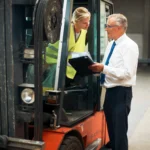
Review relevant maintenance records and conduct an appropriate pre-handover inspection. Confirm that safety devices and operating controls are functional and that defects are documented and resolved before use.
Step 3: Confirm operator and safety requirements
Determine whether the rental includes an operator or supplies equipment only. Establish who is responsible for operator training, authorisation, site induction, and compliance with local operating procedures.
Step 4: Agree on maintenance and breakdown support
Document routine maintenance responsibilities, service intervals, reporting channels, repair arrangements, and replacement procedures. Ensure the supplier and operator understand who must act when a defect is identified.
Step 5: Review the complete rental cost
Request a clear breakdown of charges, inclusions, exclusions, transport costs, maintenance provisions, and any applicable overtime or usage conditions.
Step 6: Confirm handover and return conditions
Record the equipment’s condition at delivery, the accessories supplied, the rental start and end dates, and the return requirements. This helps avoid disputes over damage, missing components, or additional charges.
When Does GHE on Rent Make Commercial Sense?
GHE on rent can be useful when equipment requirements are temporary or uncertain. Common situations include:
- Peak cargo periods: Additional suitable equipment may help meet short-term demand.
- Planned maintenance: Rental equipment may support warehouse activities while owned equipment is unavailable.
- Temporary expansion: New or extended operations may require additional capacity before a long-term purchase decision is justified.
- Equipment trials: A rental period may help businesses evaluate suitability for a specific handling task.
- Contingency planning: A pre-agreed replacement arrangement may help limit disruption when a critical unit fails.
Rental is not automatically the lowest-cost option. The decision should reflect utilisation, duration, equipment suitability, maintenance support, and the consequences of downtime.
What Costs Should Be Included in the Rental Budget?
A meaningful comparison should cover the complete operating cost, not just the advertised rental rate.
- Rental charges: Daily, weekly, monthly, or other agreed pricing terms.
- Transport and deployment: Delivery, collection, and any location-specific logistics.
- Maintenance and repairs: What is included and what is charged separately.
- Operator costs: Personnel, training, and authorisation where applicable.
- Fuel or energy: Fuel consumption, battery charging, and associated infrastructure.
- Attachments: Additional charges for specialised attachments and compatibility checks.
- Downtime: The operational cost of unavailable equipment and the time required to obtain a replacement.
- Utilisation: Whether the unit will be used enough to justify the rental period.
- Return conditions: Charges that may apply for damage, cleaning, or missing accessories under the agreement.
Compare quotations on equivalent terms. A lower rental rate may not represent better value if maintenance, transport, or breakdown support is excluded.
What Should Indian Airport and Cargo Operators Consider?
Indian airport cargo facilities and logistics operations may need to coordinate equipment across multiple shifts, storage zones, and cargo handling activities. Rental planning should account for the facility’s layout, workload, maintenance access, and the availability of trained personnel.
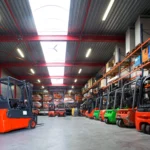
For warehouse-based forklift use, operators should assess aisle dimensions, floor conditions, load requirements, charging or refuelling arrangements, and the movement of people and vehicles.
For airside deployment, additional airport-specific approvals, access requirements, and operational controls may apply. Confirm these requirements with the relevant airport authority or operator before arranging delivery. A rental provider’s ability to supply a unit does not, by itself, establish permission to operate it at a particular location.
Common Mistakes to Avoid
- Choosing equipment based only on rental price.
- Assuming forklifts can replace specialised ground support equipment.
- Accepting a unit without reviewing its condition and relevant maintenance records.
- Leaving breakdown response and replacement terms unclear.
- Ignoring operator requirements, training, and site authorisation.
- Overlooking transport, attachments, fuel, or charging costs.
- Booking equipment without confirming deployment and access requirements.
- Extending a rental without reviewing actual utilisation and cost.
- Failing to document the equipment’s condition at handover and return.
Industry Insight: Treat Rental as an Operational Readiness Decision
From a material-handling perspective, renting equipment should begin with a clear understanding of the work, the conditions in which it will operate, and the consequences of unavailability.
A suitable unit must be more than physically available. It needs to meet the handling requirement, be maintained appropriately, reach the site when needed, and have a clear support arrangement for the rental period.
For cargo warehouses and related facilities, these checks help connect equipment selection with daily operational needs. They also make supplier comparisons more meaningful because businesses can evaluate service arrangements alongside equipment and price.
How to Choose a Ground Handling Equipment (GHE) Rental Partner
Use this checklist when evaluating a ground handling equipment rental provider:
- Equipment suitability: Can the provider supply GHE suited to the specific handling task, cargo requirements, and operating environment?
- Equipment condition and maintenance: Are relevant inspection records, maintenance history, and equipment condition checks available?
- Breakdown and service support: Are breakdown reporting procedures, repair responsibilities, response arrangements, and replacement options clearly defined?
- Availability and deployment: Can the provider deliver the required equipment within the planned operational schedule, including any applicable site access requirements?
- Safety and compliance: Does the equipment meet the relevant airport, site-specific, and operational safety requirements?
- Transparent rental pricing: Are rental charges, transport, maintenance, operator costs, fuel or charging, and additional fees clearly documented?
- Rental flexibility: Can the provider accommodate changes in rental duration, temporary demand, and equipment requirements?
- Communication and coordination: Is there a designated contact for deployment updates, maintenance requests, breakdowns, and operational escalations?
How Mazda Movers Can Support Your Equipment Requirements
Mazda Movers provides forklift rental, material handling equipment solutions, and annual maintenance contract support. These services may be relevant to airport cargo warehouses and logistics facilities that need suitable equipment for palletised material movement, temporary capacity, or planned maintenance periods.
For airport-related requirements, confirm the intended application, equipment suitability, deployment arrangements, and any applicable site approvals before proceeding.
Key Takeaway: Check Readiness Before You Rent
The right rental decision balances equipment suitability, maintenance condition, operational availability, safety, and total cost. A structured airport ground support equipment rental checklist helps operators assess these factors before equipment reaches the site.
If your cargo warehouse or logistics facility needs forklift rental, MHE support, or maintenance planning, contact Mazda Movers to discuss your requirements.
Frequently Asked Questions
Q1. What should be included in an airport ground support equipment rental checklist?
A. Include equipment suitability, condition, maintenance records, safety requirements, deployment timing, operator arrangements, breakdown support, replacement terms, total costs, and return conditions.
Q2. What does GHE on rent mean?
A. GHE on rent means hiring ground handling equipment for an agreed period rather than purchasing it. The term may cover different equipment types, so the exact unit and intended application should be specified.
Q3. Why are ground handling equipment maintenance requirements important?
A. Maintenance checks help identify defects, support safe operation, and reduce avoidable equipment downtime. Responsibilities should be agreed between the rental provider and the operator before handover.
Q4. Should airport operators rent or buy ground handling equipment?
A. Rental may suit temporary demand, planned maintenance, or uncertain equipment requirements. Purchasing may be worth evaluating for sustained demand. The decision depends on utilisation, operating costs, maintenance resources, and equipment availability.
Q5. Can forklifts be rented for airport cargo operations?
A. Forklifts may be suitable for palletised cargo movement and warehouse handling when correctly specified. Airside use requires confirmation of equipment suitability and compliance with the relevant airport’s access, approval, and operating requirements.