Quick Answer
Airports can reduce ground handling delays by planning ground support equipment (GSE) availability around flight schedules, aircraft turnaround requirements, peak traffic periods, and the movement of baggage and cargo. Reliable equipment, preventive maintenance, suitable material handling equipment (MHE), trained operators, and coordinated equipment allocation help reduce avoidable interruptions.
Effective airport ground support equipment planning also requires businesses to assess equipment utilisation, establish maintenance schedules, maintain contingency arrangements, and monitor recurring bottlenecks. The objective is to ensure the right equipment is available at the right place and time without creating unnecessary congestion or idle capacity.
Key Takeaways
- Plan equipment requirements around flight schedules, turnaround times, and peak operating periods.
- Match equipment types to baggage, cargo, pallet, and warehouse handling requirements.
- Reduce unexpected breakdowns through preventive maintenance and pre-shift inspections.
- Use equipment allocation records to identify shortages, excessive idle time, and recurring delays.
- Evaluate rental, maintenance, and backup arrangements to improve equipment availability during operational peaks.
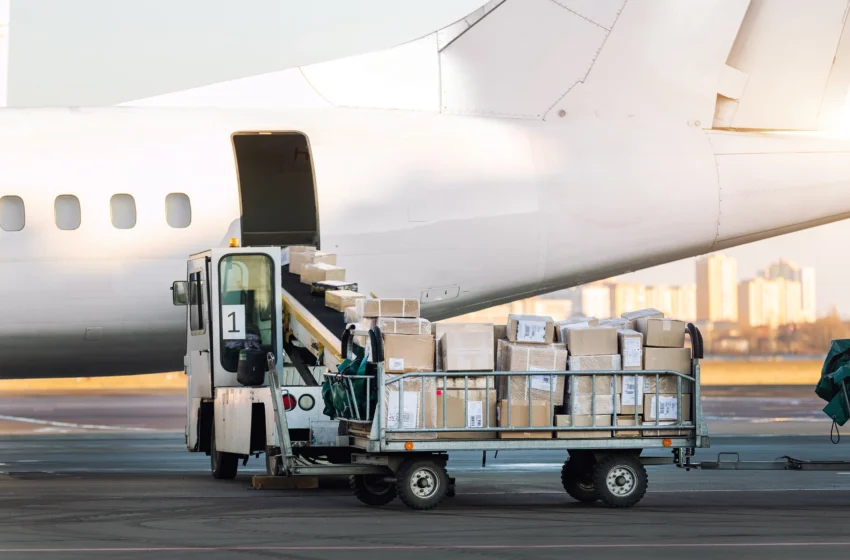
Airport ground handling involves multiple activities that must happen within tightly coordinated timeframes. These include baggage movement, cargo handling, loading and unloading, equipment positioning, and transferring materials between aircraft, terminals, cargo facilities, and storage areas.
When one activity falls behind schedule, it can affect subsequent operations. A forklift breakdown in a cargo facility, an unavailable baggage-handling unit, or congestion around a loading area can interrupt material movement and contribute to airport ground handling delays.
Equipment planning is therefore an important part of operational readiness. While flight schedules, weather, staffing, and air traffic conditions also influence turnaround performance, better equipment planning can help ground handling teams reduce avoidable delays caused by equipment shortages, poor allocation, and maintenance issues.
What Causes Airport Ground Handling Delays?
1. Is equipment available when operations need it?
Equipment shortages can occur when multiple flights require similar resources at the same time. A fleet that appears adequate during quieter periods may struggle during peak arrival and departure windows.
Equipment can also be available on paper but inaccessible in practice because it is assigned elsewhere, undergoing maintenance, or parked in the wrong location.
How to address it: Map equipment demand against flight schedules, cargo volumes, operating zones, and expected peak periods. Establish allocation procedures so teams can identify conflicts before they affect operations.
2. How does equipment downtime affect turnaround schedules?
Unexpected equipment failure can interrupt baggage transfers, cargo loading, pallet movement, or warehouse replenishment. Even when a replacement is available, the time required to locate and position it can extend the disruption.
How to address it: Maintain equipment according to manufacturer recommendations, conduct pre-use inspections, track recurring faults, and define escalation procedures for equipment that becomes unavailable.
3. Are handling equipment and operating requirements properly matched?
Different airport activities require different equipment. A forklift used in a cargo warehouse may not be suitable for every load, aisle, surface, or operating environment. Similarly, specialised aircraft servicing equipment performs functions that a conventional forklift cannot replace.
How to address it: Evaluate load dimensions, weight, handling frequency, travel distance, access restrictions, floor conditions, and the required attachments before selecting equipment.
4. Is equipment movement creating congestion?
Ground handling delays causes are not limited to breakdowns. Poor equipment parking, overlapping movement routes, inefficient staging areas, and unclear handover procedures can slow operations even when all equipment is functioning correctly.
How to address it: Establish designated parking and staging areas, separate pedestrian and vehicle routes where practicable, and coordinate equipment movements with ground handling teams.
Which MHE Is Suitable for Airport Ground Handling?
The correct equipment depends on the task, operating environment, load characteristics, and airport-specific safety requirements.
| Handling requirement | Potential equipment | Planning consideration |
|---|---|---|
| Palletised cargo movement in warehouses | Forklifts | Load weight, dimensions, aisle width, and lift height |
| Movement of palletised goods over short distances | Pallet trucks | Travel distance, floor condition, and load frequency |
| Loading and unloading cargo within storage facilities | Suitable forklifts or specialised handling equipment | Cargo type, access, handling method, and load stability |
| Movement of packaged supplies and materials | Pallet trucks or suitable MHE | Frequency of movement and storage layout |
| Aircraft-side baggage and cargo handling | Purpose-built ground support equipment | Aircraft compatibility, operating procedures, and airport approval requirements |
| Movement of goods between cargo storage and dispatch zones | Forklifts and other suitable material handling equipment | Traffic flow, transfer distance, and staging capacity |
Important: Forklifts support cargo and warehouse operations, but they do not replace specialised ground support equipment such as aircraft servicing units or purpose-built baggage handling systems. Equipment selection must follow the relevant airport, aircraft, and operational requirements.
How Can Airports Improve Equipment Planning?
Step 1: Map equipment demand across operating periods
Review flight schedules, cargo volumes, warehouse activity, and known traffic peaks. Identify periods when several operations compete for the same equipment.
A demand plan should distinguish between routine requirements, peak-period demand, and contingency needs. This helps prevent equipment from being allocated based only on average utilisation.
Step 2: Create an equipment inventory
Maintain a current record of each unit, its location, operational status, assigned activity, maintenance requirements, and availability.
A centralised inventory can help supervisors determine whether equipment is ready for use, reserved for a particular operation, or temporarily unavailable.
Step 3: Match equipment to the task
Confirm that each unit is appropriate for the load, movement route, working environment, and operating frequency. Consider the complete handling process rather than evaluating lifting capacity alone.
For example, a forklift may be appropriate for moving palletised cargo within a warehouse, but a narrow aisle, restricted turning area, or unsuitable attachment could reduce its effectiveness.
Step 4: Establish preventive maintenance routines
Schedule inspections and maintenance to reduce the likelihood of avoidable breakdowns during critical operating periods. Use maintenance records to identify recurring faults and equipment that frequently becomes unavailable.
Pre-shift checks should be supported by a clear reporting process. Equipment with a safety-critical defect should be taken out of service until appropriately assessed and cleared for use.
Step 5: Plan backup and replacement arrangements
Determine how operations will continue if a critical unit becomes unavailable. Depending on the equipment type and operational requirements, options may include a standby unit, an approved replacement, or a service arrangement with a suitable equipment provider.
Backup planning should account for response time, equipment compatibility, access permissions, and the time needed to deploy the replacement.
Step 6: Monitor performance and review bottlenecks
Track measures such as equipment availability, downtime, utilisation, maintenance frequency, and delays associated with equipment shortages.
Review these records regularly to identify whether the problem is insufficient capacity, poor allocation, repeated faults, inefficient routes, or unsuitable equipment. Correcting the underlying cause is more effective than simply adding more units.
When Do Equipment Rental and Maintenance Solutions Make Sense?
Buying equipment is not always the most practical option for every operating requirement. Rental or external maintenance support may be worth evaluating when demand changes or equipment availability becomes difficult to manage.
Common use cases include:
- Seasonal or peak cargo demand: Additional suitable equipment may help manage temporary increases in handling activity.
- Planned maintenance periods: Replacement equipment may support warehouse or cargo operations while existing units undergo maintenance, subject to compatibility and site requirements.
- Temporary operational expansion: Rental can provide flexibility when a facility increases handling activity or changes its operating arrangements.
- Unexpected equipment unavailability: A suitable replacement arrangement may help reduce the time required to restore operations.
- Long-term equipment support: An appropriate annual maintenance contract (AMC) can help structure preventive maintenance and service planning.
Rental does not automatically eliminate delays. Availability, equipment suitability, delivery arrangements, maintenance responsibilities, and operator requirements must be agreed in advance.
What Costs Should Be Considered in Airport MHE Planning?
The purchase or rental price is only one part of the total operating cost. Businesses should assess:
- Utilisation: Whether equipment is used efficiently or remains idle for extended periods.
- Maintenance: Scheduled servicing, repairs, replacement parts, and maintenance-related downtime.
- Energy or fuel: Consumption based on operating hours, travel distance, and workload.
- Operators: Availability of trained and authorised personnel for the relevant equipment.
- Attachments: Whether specialised attachments are required and compatible with the equipment.
- Downtime: The operational impact of equipment being unavailable during a critical handling window.
- Deployment and logistics: The cost and time involved in moving equipment between locations.
- Backup arrangements: The cost of standby capacity compared with the potential impact of an interruption.
A cost-effective plan balances equipment availability with actual operational demand. Excess capacity can increase idle costs, while insufficient capacity can create bottlenecks and disrupt service delivery.
What Should Indian Airport Operators Consider?
India’s airport cargo and logistics ecosystem connects domestic distribution with international supply chains. Airport-linked warehouses, freight facilities, and cargo handling operations may face changing demand, multiple shifts, space constraints, and coordination requirements across several teams.
For cargo warehouses and logistics facilities, MHE planning should account for local operating conditions, floor layouts, charging or refuelling arrangements, service accessibility, and the availability of trained operators.
Equipment used within a cargo warehouse must also be distinguished from equipment operating on the airside. Airside deployment can involve specific access, training, vehicle approval, and safety requirements. Any rental or replacement plan must meet the relevant airport’s operating rules.
Common Equipment Planning Mistakes to Avoid
- Planning fleet size around average demand instead of peak operating periods.
- Treating all ground support equipment and forklifts as interchangeable.
- Delaying maintenance until a breakdown interrupts operations.
- Failing to record equipment location, condition, and availability.
- Overlooking operator availability and equipment-specific training.
- Ignoring traffic flow, parking, and staging arrangements.
- Renting equipment without confirming suitability and deployment requirements.
- Measuring utilisation without also monitoring downtime and operational delays.
Industry Insight: Plan for Availability, Not Just Fleet Size
From a material-handling perspective, equipment planning should begin with the task the operation needs to complete, the time available, and the consequences of equipment being unavailable.
A larger fleet does not necessarily deliver better performance if equipment is poorly matched to the work or positioned in the wrong area. Equally, high utilisation is not always a sign of efficiency if it leaves no practical contingency when a unit requires maintenance.
For airport cargo and warehouse operations, a more useful approach is to combine demand planning, suitable equipment selection, maintenance discipline, and clear allocation procedures. These practices help teams identify avoidable bottlenecks before they affect the wider handling process.
How to Choose an Airport Ground Handling Equipment Partner
When evaluating an airport ground handling equipment (GHE) rental or maintenance partner, consider the following checklist:
- Ground handling equipment range: Can the provider support the equipment requirements of airport cargo handling, baggage movement, and ground operations?
- Equipment availability: Can the provider meet operational timelines and support equipment requirements during peak traffic periods?
- Maintenance and reliability: Are preventive maintenance schedules, breakdown response procedures, and replacement arrangements clearly defined?
- Operational suitability: Can the equipment meet the specific load, handling, and operating requirements of the airport or cargo facility?
- Safety and compliance: Can the equipment and deployment arrangements meet applicable airport safety standards, access requirements, and operating procedures?
- Rental flexibility: Can the provider accommodate temporary demand, planned maintenance periods, or changing cargo handling volumes?
- Service coordination: Can equipment delivery, maintenance, and replacement be coordinated to minimise disruptions to ground handling operations?
Choose a GHE partner based on equipment suitability, availability, maintenance support, and operational reliability rather than rental cost alone.
How Mazda Movers Can Support Airport Ground Handling Operations
Mazda Movers provides forklift rental, material handling equipment (MHE) solutions, and annual maintenance contract (AMC) support for material handling requirements. These services may support airport cargo warehouses, freight facilities, and logistics operations that require reliable equipment availability and planned maintenance.
For airport ground handling requirements, businesses should assess the equipment needed for cargo movement, warehouse loading and unloading, pallet handling, and material transfers. Equipment selection and deployment must account for operational requirements, site conditions, and applicable airport approvals.
By discussing equipment requirements, expected utilisation, and maintenance needs with Mazda Movers, airport-linked logistics businesses can evaluate suitable forklift rental and maintenance support for their cargo handling operations.
Key Takeaway: Reduce Delays Through Better Equipment Readiness
Reducing airport ground handling delays requires more than increasing fleet size. It calls for demand-based equipment allocation, suitable MHE selection, preventive maintenance, effective traffic planning, and realistic backup arrangements.
If your cargo warehouse or logistics operation needs support with forklift availability, MHE rental, or maintenance planning, contact Mazda Movers to discuss your equipment requirements and operating conditions.
Frequently Asked Questions
Q1. What are the main causes of airport ground handling delays?
A. Equipment breakdowns, equipment shortages, poor allocation, congestion, staffing constraints, and coordination issues can all contribute to delays. Weather, flight scheduling, and other operational factors may also affect turnaround performance.
Q2. What is airport ground support equipment planning?
A. Airport ground support equipment planning involves determining which equipment is needed, where it should be positioned, when it must be available, and how it will be maintained and replaced when unavailable.
Q3. Can forklifts help reduce airport ground handling delays?
A. Yes. Suitable forklifts can support palletised cargo movement, warehouse loading and unloading, and material transfers within appropriate facilities. They cannot replace specialised aircraft-side equipment or baggage handling systems.
Q4. How can preventive maintenance reduce ground handling delays?
A. Preventive maintenance helps identify wear, defects, and recurring faults before they cause avoidable breakdowns. It also supports more predictable equipment availability when combined with inspections and maintenance scheduling.
Q5. Is forklift rental suitable for airport cargo operations?
A. Forklift rental may suit temporary demand, planned maintenance, or changing warehouse requirements. The equipment’s suitability, availability, deployment arrangements, operator requirements, and airport-specific approvals should be confirmed before use.