

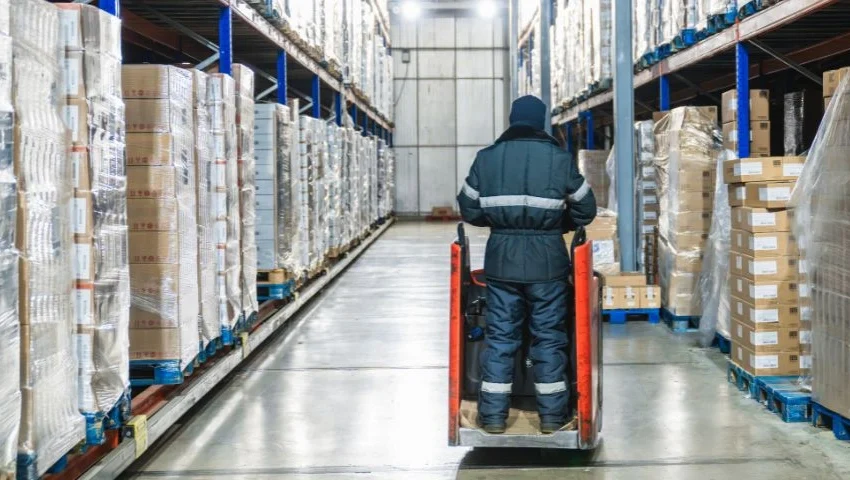
Not all forklift trucks can work in a cold storage warehouse. Low temperatures and intensive condensation may lead to premature wear, battery drainage, and even dangerousness in case of using the incorrect equipment. Optimization of forklifts to cold storage operation is essential to the safety and efficiency of the industries such as food logistics, pharmaceutical and shipping firms in India. The topic that we will discuss in this blog is how the right tyres, seals, and batteries are what all the difference is in the performance of forklifts even in freezing temperature.
Knowledge of Cold-Storage Forklifts
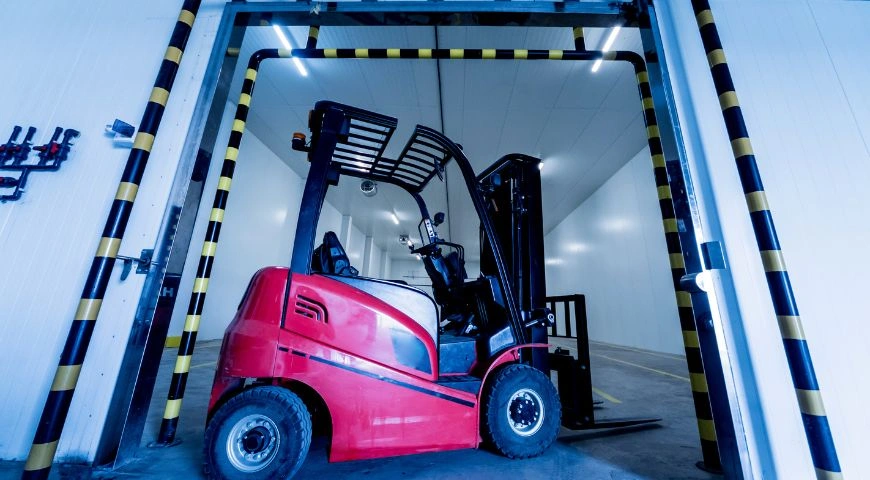
Cold-storage forklifts can be uniquely designed to operate within fridges and frozen areas, in which the temperatures can fall down to -30°C. These machines include insulated components, seals that do not condense, and electronics that are not moisture sensitive unlike the normal warehouse forklifts. The high cold does not affect their hydraulic performance, traction, and safety.
The current market has seen most of the dealers of forklift trucks providing electric and LPG-powered trucks with cold resistant batteries, non marking tyres and anti-corrosive finishes. The customization guarantees a sound material handling solution to warehouses, container yards, and logistics centers which work in cold conditions.
What Is The Reason Why Specialized Forklifts are Important in Cold Storage?
A normal forklift used in the freezing conditions may cause a number of issues including decreased battery capacity, condensation of the motors, tyres becoming brittle and thickening of the oil. Such problems may slack down the processes or even harm costly equipment.
The challenges are addressed by designing cold-storage forklifts. The design focus on their design is the use of sealed electrical systems, low temperature hydraulic oils, and anti-slip tyres which facilitate stability of the floors during frosty weather. Having the correct equipment is not only the way to prolong the life of the machine in use but also provides better safety in the workplace and reduces the amount of service down time which is extremely important in the container handling services and in high velocity cold chains.
What Are The Important Components That Improve Performance of Cold-Storage
The stability of a cold-storage forklift is based on specific parts. All of them are significant in ensuring efficiency in difficult environments.
- Tyres:
Regular tyres that are made of rubber are hardened in cold climates and become less tractionable. Forklifts with cold-storage have solid, non-marking rubber tyres impregnated with anti-freeze. These offer improved friction on frozen floors and prevent cracking during climatic changes. - Seals and Gaskets:
The accumulation of condensation within the mechanical components may cause corrosion or system failures. High-end forklifts have weatherproof seals and moisture resistant gaskets around major joints and electrical enclosures. The design assists to avoid the leakage of air and damages against condensation to occur in the changes between cold and ambient areas. - Batteries:
The battery life reduces substantially when in cold conditions. Electric forklifts are now being powered by Lithium-ion batteries with in-built thermal management systems. These keep the best temperature to ensure regular production. Other models also may contain battery warmers that take shorter periods to charge and eliminate deep discharge cycles. - Hydraulic Fluids:
Low viscosity lubricants that are compatible with cold environments provide smooth hydraulic performance. These minimize load on the engine and increase the life of forklift spares by avoiding fatigue of metal and freezing of fluids.
The Operation of Cold-Storage Forklifts
The forklifts used in cold-storage operate under certain operating patterns to control condensation and the loss of energy.
The machine is cooled down before it gets to cold rooms so that it does not condense quickly. Thermal insulation is used in operation to maintain constant temperatures in components. The operators are trained to minimize the openings of doors between ambient and cold zones to exclude the entry of moisture. When the forklifts are used, they are stored in a defrost zone to dry up in order to store or service them.
This is a controlled workflow that prevents the damage of mechanic components, tyres, and electrical systems, which ensures the uptime and minimizes the cost of forklift services.
What Are The Maintenance and Challenges Best Practices
Even the finest cold-storage forklifts have challenges such as condensation of moisture, short battery run time as well as hydraulic stress. These are dealt with by planning and maintenance.
The inspection to be given on a daily basis should be aimed at confirming the temperature of the batteries, the fluid levels and the state of the tyres. The early replacement of worn seals will help to avoid expensive breakdowns. When serviced regularly by the authorized dealers of forklift trucks, parts such as bearings, motors and sensors will not be affected by corrosion. Having actual spare parts of the forklifts also reduces downtime in the event of an emergency repair.
Forklift rental services are becoming popular with many companies at the seasonal cold-storage operations because it is a cost-effective alternative, which includes routine maintenance and technical assistance.
What Are The Trends and Industry Applications
Cold-chain business is fast moving towards the use of an environmentally efficient, electrically powered forklift which is able to operate under deep-freeze circumstances. New performance can be measured by Lithium-ion technology, insulated cabin, and smart temperature sensors.
Such specialized machines in food-grade and pharmaceutical logistics are being invested in by shipping companies in India, and international container handler dealers. It is not only that these forklifts enhance safety and performance, but also help in sustainability by reducing emissions and energy and power use in warehouses and ports.
What Are The Essentials to Prepare Against the Cold
Unless you are working in a deep-freeze or chilled area, even the standard forklifts will not bring long-term quality performance. Shop forklift on rent or cold-storage specially designed to meet your specifications with reputable forklift truck dealers. The correct equipment has the potential to save on energy expenses, eliminate downtimes and keep your cold chain running smoothly.
Conclusion
The cold-storage forklifts are the ideal combination of technology and strength. Since condensation resistant seals to temperature resistant tyres and intelligent battery are all present, every constituent contributes to a smooth, safe and efficient operation. Finding the correct partner of forklift service and investing in the quality of spare parts of the machines guarantees that your machines will be prepared to work in any situation. Cold-storage forklift literally shows that strength prevails even in the cold in a world where uptime is success.
Stay connected with Mazada Movers — follow us on LinkedIn, Instagram, Facebook for updates, insights, and moving tips
FAQs
- Why do normal forklifts not work in cold storage?
Condenser, frozen fluids and battery drain are common effects of low temperature on regular forklifts that compromise performance and safety. - What are the benefits of lithium-ion battery within cold environments?
They also have constant power output and can be charged much quicker with inbuilt thermal management systems. - Which are the most suitable tyres in cold storage forklift?
Rubber tyres that are not marked and have anti-freeze chemicals are the best when it comes to traction on slippery or frozen ground. - To purchase or rent a cold-storage forklift?
In the case of seasonal work, forklift renting is cheaper and it is maintained professionally.
Michelle Catapang
January 23, 2026Great read! Really useful overview of how cold‑storage forklifts need the right tires, seals, and batteries to beat condensation and keep operations running smoothly, even in sub‑zero environments. I especially liked how it highlights the importance of cold‑resistant components and proper maintenance these insights are super helpful for anyone managing chilled or frozen warehouses. Thanks for sharing!
Michelle Catapang
October 1, 2026Cold storage puts forklifts to the test! This article highlights important considerations like tyres, seals, batteries, and equipment specifications for challenging refrigerated environments. A practical resource for cold storage operations.