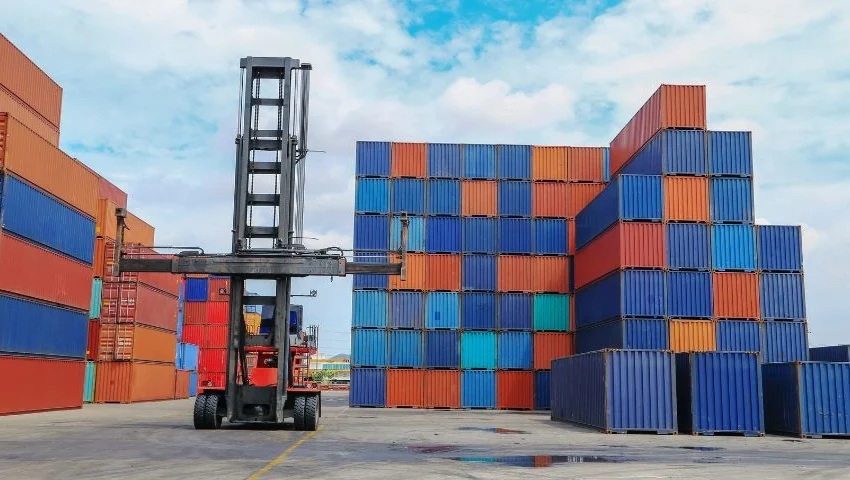
Profitability in logistics is time taken. Each minute that a container is idle in the port contributes to the demurrage and postponement of downstream delivery. In the case of shipping companies in India, efficiency between the warehouse and the port is based on the smoothness of the cooperation of the material handling equipment (MHE). The backbone of this handoff is made up of forklifts, container handlers, and ground handling equipment, and the selection of an appropriate combination that saves hours per shipment. The following blog describes why the right MHE arrangement is the best in terms of container movement, bottlenecks and throughput.
Knowing Port-to-Warehouse Handoffs
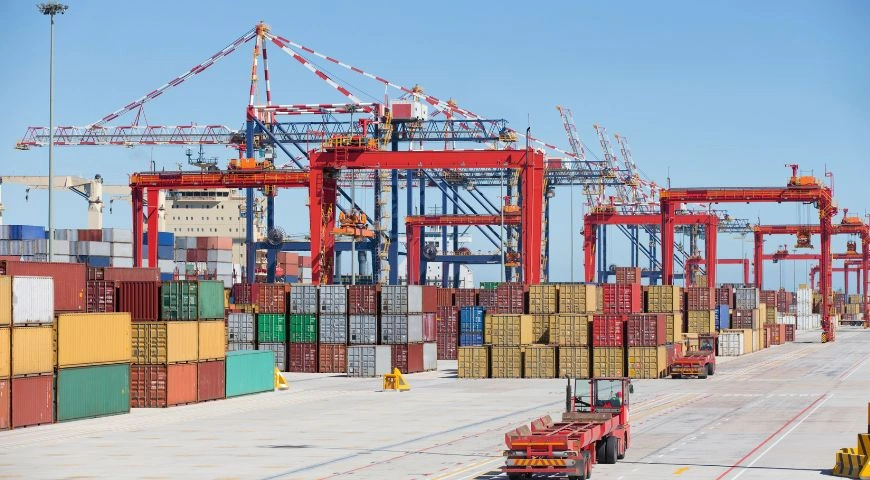
The port-to-warehouse handoff is the transition stage during which the imported or exported goods are moved off ships onto inland storage or distribution centres. It has various touchpoints, i.e., unloading, stacking, inspection, internal transfer. Container handling services and material handling solutions are very important in this process. Whether it is container movement, pallet or bulk movement, a well-coordinated MHE fleet will guarantee smooth flow of goods and reduce the use of manual intervention. Forklift trucks, reach stackers and container handlers are some of the major intermediaries between marine and inland logistics. The smoother the link the faster the turnaround and the less the total cost of the logistics.
What Is The Reason Why Effective MHE Selection is Important
Indian logistics ecosystem is booming with the international trade, although, inefficiency in ground operations continues to affect Indian logistics. The long dwell times are commonly caused by poor coordination of the cranes, forklifts, and trucks. Incorporating the optimal MHE mix of the appropriate combination of the right mix based on the port conditions and warehouse layout, businesses will be able to enhance the container flow, decrease operator fatigue, and prolong equipment life.
Efficient forklift renting services or leasing arrangements also assist the logistics players to adjust to the fluctuating shipment volumes without incurring huge capital. When it comes to container handler dealers and fleet owners, it is a direct increase in revenue per asset and operational ROI when it comes to streamlining MHE usage.
What Are The Essential Tools to Reduce Handoffs
A different material handling equipment provides different value to the logistics cycle. Forklifts continue to be essential in the hearings of the internal warehouse and container handlers and reach stackers control the bulk loading at ports.
- Forklift Trucks:
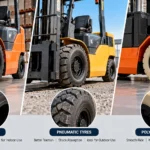
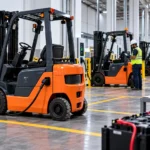
Forklifts are smaller, manoeuvreable, and able to carry several tonnages, which makes them an ideal tool to unload pallets, handle short transfers, and stack in the warehouse. The contemporary electric forklifts are also less emitting and less noisy hence can be used in closed areas. - Container Handlers:
These are the heavy lifters—loading or dumping containers both loaded and empty with a lot of efficiency between the docks and the storage yards. Highly developed models provide telescopic spreaders, precise control and quick lift cycles, which enhance the confidence of the port. - Ground Handling Equipment:
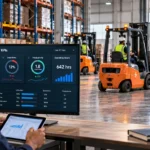
Internal transfers are simplified by means of tug trucks, pallet movers, and scissor lifts that fill the distance between the unloading area of cargo and storage facilities. They also increase productivity and make sure that each container is switched to the corresponding bay fast. Combining these machines with real-time monitoring of data assists the fleet managers in predicting the demand of the loads and avoiding bottlenecks.
How the Process Works
The path of an optimized port-to-warehouse cycle is normally comprised of four stages.
- A crane and container handlers are used to offload cargo.
- Then, containers or pallets are conveyed to inspection and sorting areas by ground handling equipment.
- Forklift trucks will then replace them to place accurately, stack and load to the warehouse shelves or outbound trucks.
- Lastly, digital fleet management tools keep the whole process in sync so that no machine remains any longer than it should.
When optimally synchronized, these phases will minimize the time per container without work, and will maintain the continuous workflow between marine docks and warehouse gates.
What Are The Popular Issues in Port Handoffs
Technological advancements notwithstanding, coordination is one of the biggest challenges. Most plants have mixed fleets where the maintenance or communication systems are not standardized. Forklifts that are in a bad state of service may fail during the working process, and the container handlers of an old model are more fuel-consuming.
The other problem is equipment incompatibility; it is of no use to have heavy-duty handlers doing light-weight tasks, as it wastes resources. Collaboration with trusted forklift truck dealers and container handler dealers is a way to eradicate such problems. Periodic forklift maintenance, proactive maintenance and access to authentic forklift spare parts lengthen machine uptime and reduce turnaround time by a significant margin.
What Are The New Trends and Industry Applications
The modernization of logistics in India is leading to the transition to smart MHE systems. The use of electric and hybrid forklifts is increasing due to their low operating expenses and environmentally-friendly operation. Ports also are implementing fleet management telematics-based and AI-driven scheduling solutions that organize ground handling equipment in real time.
Shipping businesses in India are currently investing in shared fleets by means of forklift on rent programs to scale operations without massive investments in assets. Another move in minimizing human reliance on warehouses and implementing 24/7 working shifts is the introduction of autonomous guided vehicles (AGVs) to the warehouse.
How To Get the Right MHE Mix
The key to achieving an efficient supply chain is a balance between forklifts, reach stackers and ground handling systems that can be achieved through finding the appropriate balance between the three. In case your business depends on the port-to-warehouse processes, contact the reputable forklift truck dealers and container handler dealers to develop an MHE approach that will be based on the type of cargo, volume of loads, and frequency of operations.
Whether forklift rental service or complete ownership, the right combination saves fuel and minimizes downtimes and provides performance improvement that is measurable.
Conclusion
The modern competitive logistics world is all about time. It is not about the number of machines that reduce the turnaround time between the port and the warehouse but rather about the proper working of the right machines. The basis of that efficiency is the forklift trucks, container handlers and ground handling equipment. Supported by consistent delivery, consistent rentals and information-driven management, businesses would be able to attain quicker throughput, reduced expenses, and satisfaction in the clients. The key to the future of the logistics development in India is to figure out how to manage this coordination—dock to door, every minute counts.
Stay connected with Mazada Movers — follow us on LinkedIn, Instagram, Facebook for updates, insights, and moving tips
FAQs
- What is the largest reason of the port delays?
The major cause of long turnaround times is poor coordination of port cranes, forklifts, and trucks. - What is the use of forklift rental to logistics companies?
Forklift rental service will provide flexibility of scaling, coverage of maintenance as well as lower initial cost of temporary or seasonal operation. - How do you have the best MHE configuration in container yards?
The combination of reach stackers to move containers, pallet work using forklifts and the transfer operations using ground handling equipment brings efficiency. - What is the frequency of MHE equipment servicing?
A container handler and forklifts are supposed to receive preventive maintenance after every 250–300 work hours in order to sustain optimal performance.