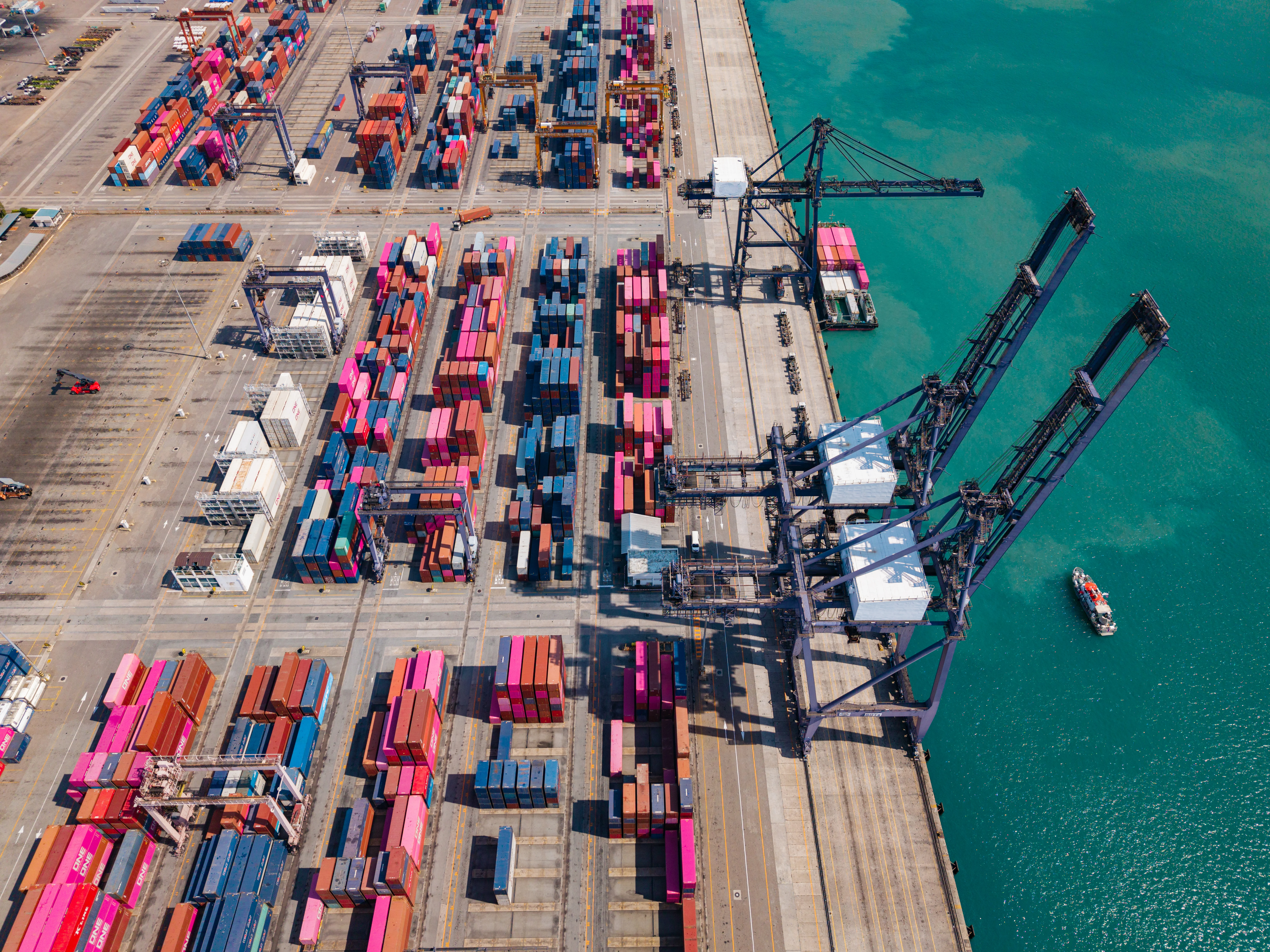
The Union Budget 2026 arrives at a time when logistics is no longer just a support function — it is a strategic growth engine. With India pushing infrastructure expansion, port modernization, airport upgrades, and manufacturing acceleration, every announcement in the budget has direct implications for cargo movement and fleet planning.
For businesses in India and the USA working across warehousing, aviation, construction, and ports, the question is clear:
What does this budget mean for material handling investments, forklift fleets, and long-term operational strategy?

At Mazda Movers, with over 45 years of experience supporting shipping companies in India, ports, airports, and warehouses, we see three major shifts emerging from Budget 2026.
1. Infrastructure Spending = Higher Demand for Cargo Handling Services
India continues to prioritize capital expenditure on infrastructure, including:
- Port modernization
- Dedicated freight corridors
- Airport expansion under regional connectivity schemes
- Industrial corridor development
Increased budget allocations toward logistics corridors and multimodal connectivity directly boost demand for cargo handling services and container handling services.
For ports and terminal operators, this translates to:
- Higher TEU volumes
- Faster turnaround expectations
- Greater dependence on container handlers and heavy-duty lifting equipment
Container yards will need modern equipment from experienced container handler dealer networks to manage increased throughput. Companies operating at major hubs — including shipping companies in Mumbai — are already reviewing fleet capacity to align with projected cargo growth.
For businesses in the USA, especially those trading with India, enhanced Indian port efficiency improves turnaround times and supply chain predictability. This creates a ripple effect: investment in fleet strength becomes essential on both ends of the trade route.
2. Sustainability Push = Shift Toward Electric & Efficient Fleet Models
Budget 2026 reinforces India’s transition toward sustainability, with incentives aligned to electrification and green infrastructure.
For the material handling sector, this impacts:
- Adoption of electric forklift truck fleets
- Expansion of battery-operated warehouse equipment
- Reduced dependence on older diesel-heavy models
Many businesses are exploring partnerships with an Electric forklift dealer in Mumbai to align with ESG goals. At the same time, demand for airport ground handling equipment is evolving toward cleaner and quieter operations — especially critical for large airports and new greenfield projects.
For airport operators, modern Ground Handling Equipment is no longer optional. With aviation growth and sustainability benchmarks tightening globally, fleet modernization is becoming part of compliance strategy.
In the USA, where ESG compliance and emissions reporting are already standard practice, companies with Indian operations must align procurement decisions across geographies. That means:
- Evaluating electric forklift investments
- Comparing long-term operational savings
- Rethinking maintenance cycles
This is where forklift rental service models gain strategic relevance. Renting instead of purchasing allows businesses to test electric models without heavy upfront capital commitment.
3. Capex Discipline: Why Forklift Rental & AMC Models Make More Sense
While infrastructure spending is increasing, businesses are also being cautious about balance sheets. High capital expenditure on non-core assets is under scrutiny.
Budget 2026 indirectly strengthens the case for:
- Forklift on rent instead of outright purchase
- Flexible fleet scaling
- Outsourced forklift service and maintenance
Owning a large fleet means:
- Capital lock-in
- Inventory of forklift spare parts
- Dedicated maintenance staff
- Risk of downtime
Instead, companies are turning toward structured annual maintenance contract models and rental frameworks that reduce risk while improving uptime.
For example:
- A construction firm may look for forklift rental for construction sites in Mumbai during peak build phases.
- A warehouse operator may require short-term diesel forklift rental near me in Mumbai during seasonal demand spikes.
- Ports may need specialized forklift crane configurations for project cargo.
With experienced partners who provide scalable fleet strength and prompt forklift service, businesses gain flexibility without compromising productivity.
This is particularly important for companies operating in India–USA trade lanes, where supply chain volatility still exists. Flexibility is no longer a luxury — it is a strategic advantage.
The Airport & Aviation Angle: A Silent Budget Winner
One of the strongest signals in Budget 2026 is continued aviation infrastructure investment.
Airport modernization impacts:
- Baggage systems
- Cargo terminals
- Ramp operations
- Airside vehicle management
Operators require reliable airport ground handling equipment to ensure smooth turnaround. With rising passenger volumes and cargo movement, downtime becomes extremely costly.
For aviation-linked logistics companies, partnering with a reliable material handling equipment supplier in Mumbai ensures access to both fleet strength and technical support.
The emphasis is shifting from “owning equipment” to “ensuring uptime.”
That is why companies increasingly look for:
- Top-rated forklift service in Mumbai
- A dependable Forklift dealer in Mumbai
- Structured maintenance programs
Operational continuity is now a board-level discussion — not just a warehouse-level concern.
What Should Procurement & Ops Teams Do Now?
Here are practical steps businesses in India and the USA should consider post-Budget 2026:
- Reassess Fleet Utilization:
Are all forklift truck assets being used efficiently? Or is rental more viable? - Plan for Electrification:
Evaluate total lifecycle cost of electric vs diesel equipment. - Strengthen Maintenance Strategy:
Structured annual maintenance contract programs reduce unplanned downtime. - Prepare for Volume Surge:
Ports and container yards must align with projected growth in container handling services. - Partner with Experienced Providers:
Long-standing operators with deep port and airport exposure provide operational reliability.
Potential SEO-Friendly Headlines
- Union Budget 2026: A Turning Point for Forklift & Fleet Strategy
- How Budget 2026 Impacts Cargo Handling & Equipment Investments
- Material Handling After Budget 2026: Rent, Buy, or Upgrade?
- Why Forklift Rental Service Makes Sense Post-Budget 2026
- Budget 2026 and the Future of Airport Ground Handling Equipment
Conclusion: Budget 2026 Is About Smarter, Not Bigger
Union Budget 2026 does not just signal growth. It signals structured, efficiency-led growth.
Infrastructure expansion will increase cargo volumes. Sustainability goals will reshape fleet decisions. Financial prudence will favor rental and maintenance-driven models over heavy capex commitments.
For businesses in India and the USA, the message is clear:
Invest in flexibility.
Prioritize uptime.
Choose scalable material handling solutions over static ownership models.
At Mazda Movers, we continue to support shipping companies in India, ports, airports, and industrial operations with reliable cargo handling services, modern fleet support, and comprehensive forklift service and maintenance.
For more information and updates about our brand, follow us on Instagram, Facebook and LinkedIn to stay informed about the latest developments in material handling and fleet strategy.
The future of logistics is not just about lifting more.
It is about lifting smarter.