Downtime is expensive in a minute in logistics and warehousing. Conventional preventive maintenance programs, though good, can no longer keep up with the dynamic supply chain today. Telematics is today allowing businesses to abandon reactive and preventive servicing in favor of predictive maintenance to forecast and prevent problems based on real-time data. In the case of forklift trucks, container handlers and other material handling equipment (MHE), predictive intelligence is changing the way operations are handled in terms of uptime, safety and efficiency. This paper discusses the way telematics is transforming MHE health and why it is the future of industrial reliability.
Knowledge on Telematics in Material Handling
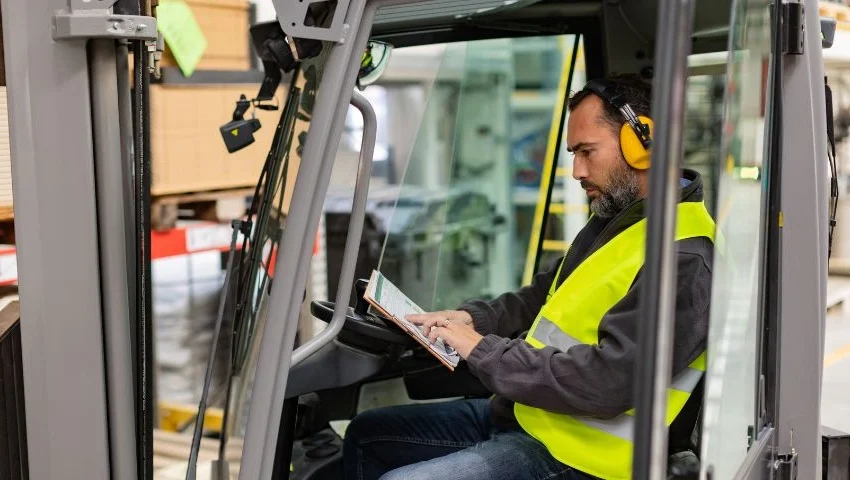
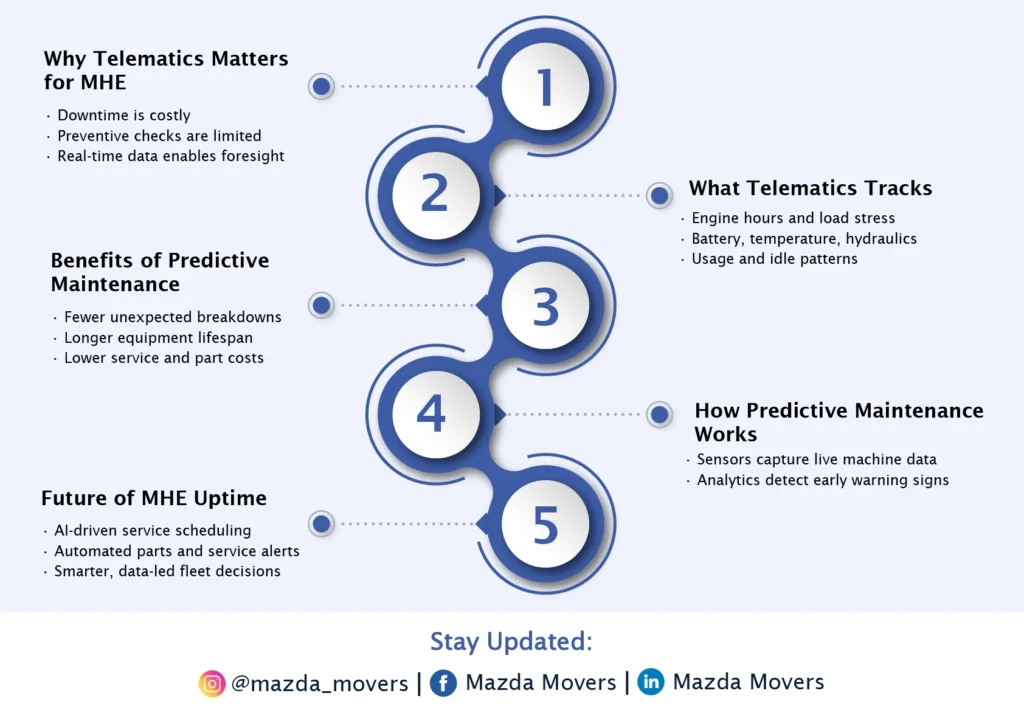
The concept of Telematics refers to the combination of telecommunication and informatics to monitor real-time machine data and transmit it. Telematics devices fitted to forklift trucks or container handlers in material handling solutions constantly track the performance of the equipment in terms of engine hours, hydraulic pressure, temperature, and battery condition. The information is forwarded to a centralized dashboard which is available to the fleet managers and service teams.
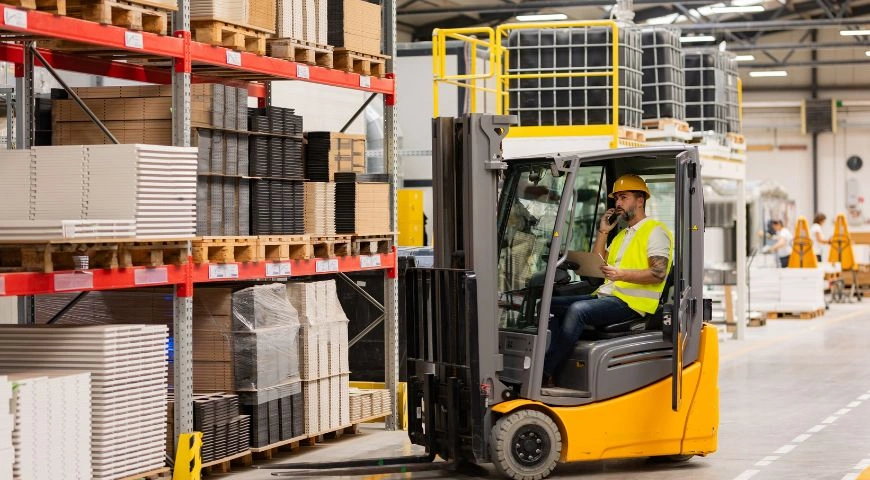
This system assists in the foretelling of failures, proactive planning of maintenance, and job optimization of all the machines used in warehouses, ports and even in container yards. In the case of big logistics networks and shipping firms in India, it will be a move in the direction of complete operational visibility.
What Is The Importance of Predictive Maintenance
It is not merely cost-saving, but is rather a change in the manner in which maintenance is being conducted: the preventive has been replaced by a predictive one. Preventive systems are dependent on some sort of schedule (such as every 250 hours of operation) but predictive maintenance uses real-time information to decide the time a specific part requires attention. This strategy has significant advantages to companies that make use of MHE fleets.
- Reduced Downtime: Predictive telematics is able to detect the initial signs of wear, including rising engine temperatures or reduction of voltage, and respond to them, preventing breakdowns in advance. This maintains longer working periods of forklifts and handlers with few interruptions.
- Extended Equipment Life: Predictive systems increase the overall lifespan of machinery and other important parts of a machine by keeping the performance of components at the highest level and preventing overuse.
- Lower Maintenance Costs: Companies do not change parts based on a fixed schedule but instead only change equipment when data indicates it needs changed—less unnecessary part replacements and less labor.
- Improved Safety: Early faults detected are factors that avoid accidents due to hydro leakage, failing brakes, or overheating system, which safeguard both the operators and cargo.
What Are The Principle Elements of Telematics Solutions
The standard telematics system of forklifts and MHE integrates a number of different components that collaborate with each other to provide efficient monitoring and control.
- Sensors and Data Modules: These sensors are used to record information on the core systems of the forklift such as engine, transmission, hydraulics, and battery.
- Communication Gateway: The module enables the transfer of data safely to a centralized site, and this enables real-time monitoring of the fleets.
- Analytics Software: The AI dashboards process the information and develop foresight warnings, performance data, and upkeep details.
- Maintenance Systems Integration: In the case of companies with a maintenance contract with less than an annual maintenance contract value, these analytics are automatically shared with the forklift truck dealers or service partners to organize maintenance visits before the problem grows.
What Is The History of Predictive Maintenance
Predictive maintenance is based on a data-driven cycle. To begin with, telematics sensors will record real-time performance information of each forklift truck or container handler. This data is then compared to optimal benchmarks by machine learning algorithms. Deviations such as odd vibration or hydro heat bursts are identified by the system as a sign of a possible problem.
The teams of service are notified in real time, which makes the response quick. In the case of companies having forklift rental service or forklift on rent programs, this will maintain all units in optimum condition to be ready to the next customer thus lowering warranty claims as well as downtime losses. As time progresses, maintenance schedules are also refined which makes them more precise and economical.
What Are The Weaknesses and Problems That May Arise
Telematics might appear to be a complicated option initially. The greatest challenge facing most companies is the ability to integrate new data systems with old equipment. Nevertheless, the majority of contemporary telematics providers provide retrofit sets that can be fitted to the already owned forklift fleets.
The other problem is the training of personnel to analyze data efficiently. Collaborating with established dealers of the container handlers or OEM-qualified service providers can overcome this gap. The privacy of data is also of paramount importance—safe cloud infrastructure and coded transmission safeguard vulnerable data related to the operations. These issues when strategically integrated become converted easily into uptime and efficiency benefits.
What Are The Applications and Future Trends of the Industry
Predictive telematics is an industry standard that is being implemented in ports, warehouses, and logistics hubs. It is already being used in container handling services to track heavy-duty handlers as well as reach stackers which work in challenging 24/7 environments. Telematics will guarantee the coordination of loading performance and avoidance of expensive failures in the middle of the shift.
The second step will be AI integration—in this case, forklifts will share data with services to automatically request forklift spare parts or book maintenance. With the implementation of these solutions by shipping companies in India, the end-to-end transparency of operations will be the new standard of the smart logistics ecosystems.
Upgrade Your MHE Efficiency
When your company is heavily dependent on forklifts, container handlers, and warehousing vehicles, then it is time to embrace predictive maintenance. Through collaboration with professional forklift truck dealers or services providers with telematics-based solutions, you are guaranteed an efficient, safe, and cost-effective fleet of forklifts.
It is true that predictive systems can transform the operation of your uptime whether using a forklift rental service or an annual maintenance contract.
Conclusion
Telematics is the future of equipment maintenance, since it includes both preventive maintenance checklists to predictive intelligence. It helps to avoid failures by monitoring real-time performance, increase the lifespan of machines, and maintain a normal flow of operations. With either one forklift truck to a full port yard, predictive telematics is known to provide a tangible ROI, enhanced uptime, and smarter maintenance planning. The future of material handling solutions is in the vision of fixing before it breaks and every second saved is a bottom line to your bottom line.
Stay connected with Mazada Movers — follow us on LinkedIn, Instagram, Facebook for updates, insights, and moving tips
FAQs
- What do we mean by telematics on the forklifts?
It is a system which monitors machine real-time data to check its performance, usage, and maintenance requirements. - Are the older forklifts able to use the telematics?
Yes, the retrofit kits enable the installation of telematics in older models of forklifts without any problems. - What is the cost reduction achieved through predictive maintenance?
By detecting the problems in time, it decreases the downtime, decreases the wastage of the parts, and shortens the number of the unplanned services. - Does it support maintenance contracts with telematics systems?
Indeed, telematics complements annual maintenance contracts by making it automatic to schedule and report services.