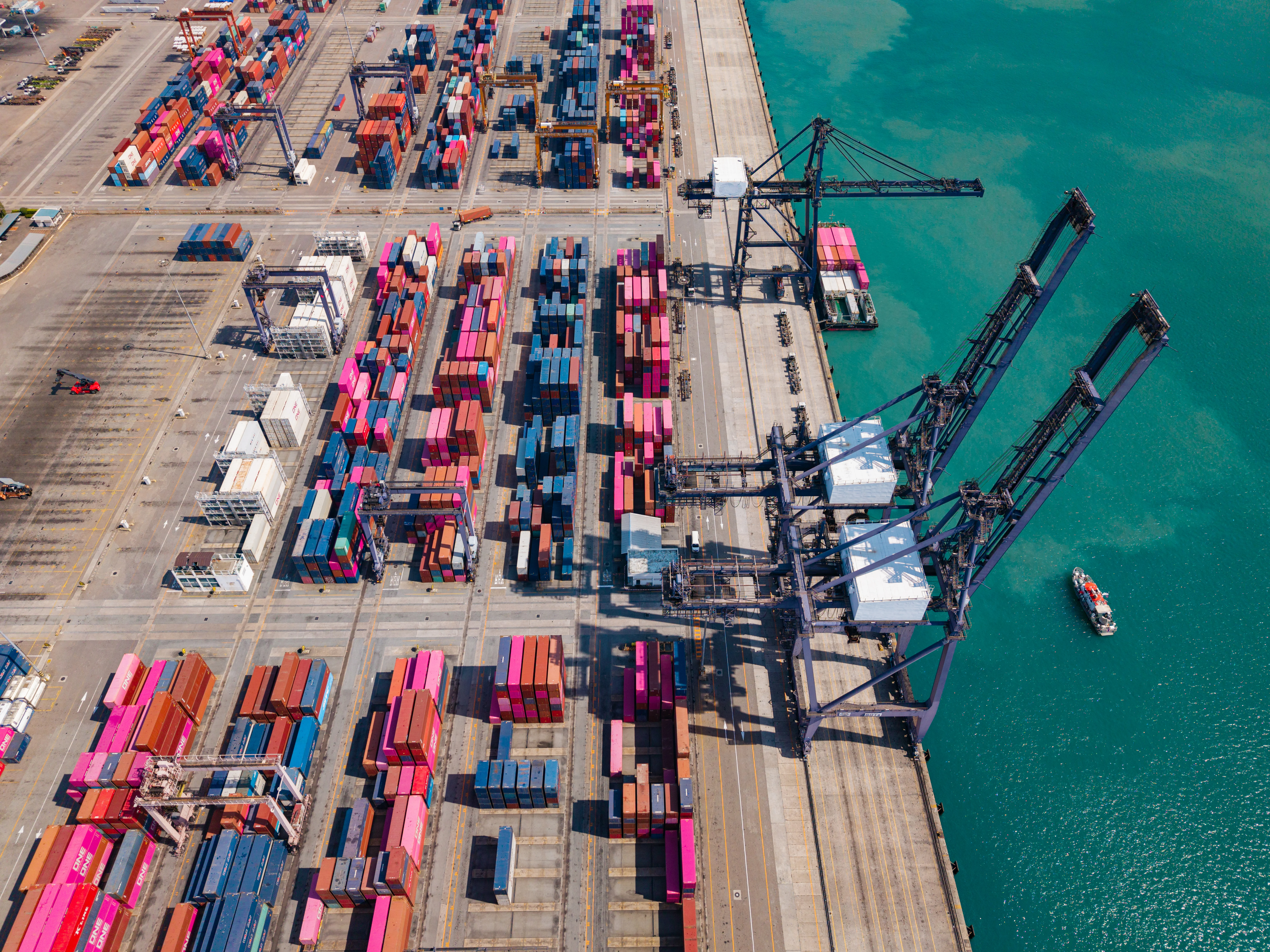
Trade volumes are increasing globally, port congestion is increasingly becoming the norm and turnaround time is currently a competitive measure and not a back-office activity. Any small inefficiency in container move, stacking, and sequencing processes can result in sluggishness throughout the supply chain. It is at this point that optimization of container handling is of primary importance.
In this blog, it is identified that effective load sequencing and established port terminal practice enhances container handling services, reinforces cargo handling services, and innovates smarter material handling solutions to the contemporary ports.
Container Handling Optimization: What Is?
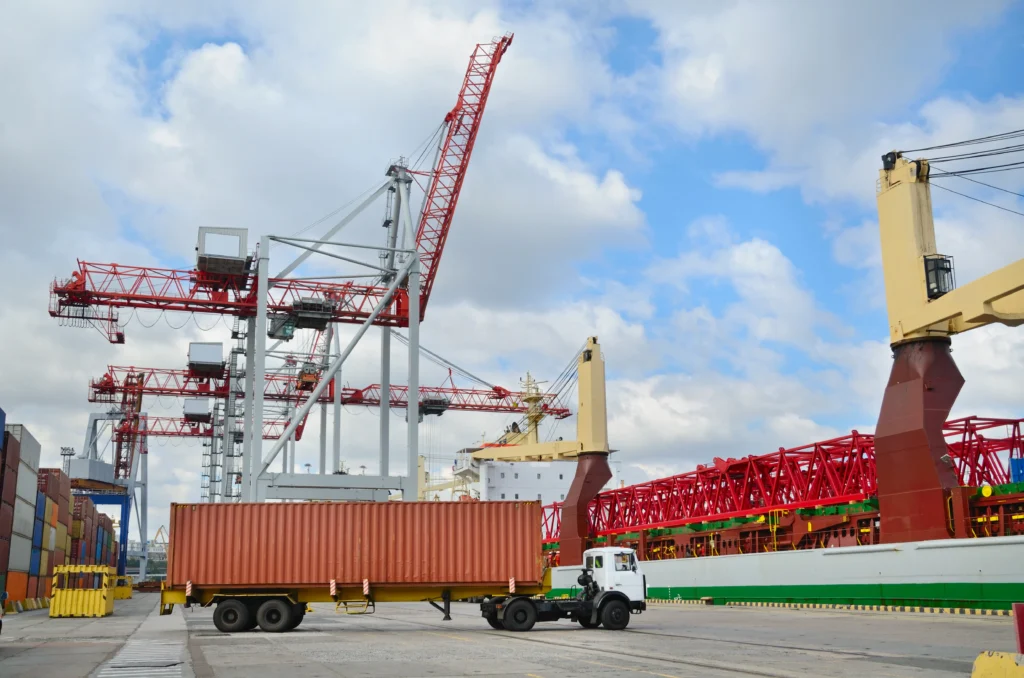
Container handling optimization encompasses the strategy and implementation of receiving, storing, transporting, and delivering containers in port terminals.
It focuses on:
- Prioritized and destination-based sequencing
- Minimizing wasteful re-handling
- Coordinating the operations of the yard with the vessels
Essentially, optimization guarantees container transit within terminals with less friction and most predictability.
The Importance of Container Handling Optimization
Faster Vessel Turnaround
Effective container handling services save time at the berths and enhance productivity of the vessels.
Lower Operational Costs
Load sequencing optimization minimizes fuel consumption, equipment maintenance and hours of work.
Improved Yard Utilization
Smart stacking plans will avoid congestion and will help to allocate space more efficiently.
Greater Reliability of Supply Chain
Plausible cargo handling services are important in exporters and importers fulfilling delivery schedules.
Productivity in Examining Equipment
Workflow optimization improves the work of cranes, reach stackers, and other material handling products.
The Main Elements of Streamlined Container Management
Load Sequencing
The loading and unloading containers will occur depending on the destination, weight, and priority of the delivery.
Yard Planning Systems
Yard surveillance devices help minimize pointless vehicle relocation.
Equipment Allocation
Allocating the correct equipment to the correct job achieves maximum productivity.
Workforce Coordination
Sequencing of tasks also makes the operators, planners and supervisors work in unison.
All of the parts have a direct effect on the terminal throughput and service reliability.
The Operation of Load Sequencing Within the Port Terminals
- Interpret Vessel Stowage Plans
Plan container order basing discharge and loading ports. - Group Containers Priority Based
Separate export, transshipment and domestic traffic. - Plan Yard Stack Locations
Position containers close to cranes to reduce traveling distance. - Centralize Movements of Jobs and Materials
Plan distribution of cranes, trucks, and stackers. - Control and Management in Real Time
Teams use operational data to handle interruptions effectively.
This operation helps to coordinate the activities of yards and quays without any complications.
Regular Problems and Setbacks
The ineffective coordination of vessel planners and yard teams is one of the frequently encountered problems resulting in over ports shifting around too much. The other error is the use of manual planning in high-volume terminals which is restrictive to responsiveness. Poor equipment implementation may also delay operations.
These are overcome by means of integrated planning systems, real time communication and standard material handling solutions in terminals.
Trends in Handling of Containers and Port Operations in Future
The ports are starting to replace human-managed operations with automation, AI-based optimization tools, and predictive analytics to streamline the container flow. Smart sensors, digital twins, and real-time dashboards are changing the nature of operation of container handling services.
Cargo handling services will be mostly optimized, and they will be used as one of the competitive advantages by ports globally due to the increased time-sensitivity of global trade.
Taking the Next Step
The initial step that should be started by the port operators and other logistics stakeholders should be an in-depth audit of the current patterns in container movements. The finding of bottlenecks, and the redesigning of load sequencing strategies can be opened to begin with quick performance improvements.
Conclusion
Optimization of handling containers has become part and parcel of the contemporary operations at ports. The ports can lower the cost, increase the turnaround time, and improve reliability of the services through better load sequencing and having best practices at the terminals.
Efficient cargo handling services and scalable material handling solutions combined with well-designed container handling services develop resilient port ecosystems that can accommodate increasing levels of trade. Investing in optimization of ports today will spearhead the world logistics tomorrow.
Stay connected with Mazda Movers — follow us on LinkedIn, Instagram, and Facebook for updates, insights, and moving tips.
FAQs
What is load sequencing of container handling?
The sequencing of orders of loading or unloading the containers is called load sequencing and it helps to reduce re-handling and delays.
What are the benefits of optimization of container handling in terms of cost reduction?
It minimizes wastes of containers, fuel, man-hours, and equipment wastage.
Why then is yard planning important to port terminals?
Effective planning of the yard would avoid congestion and speed in accessing containers during loading and unloading.
Is optimization of container handling useable in small ports?
Yes. Even a moderate advancement in the areas of sequencing and usage of equipment can lead to a drastic increase in efficiency.
How is it possible to optimize containers with material handling solutions?
They guarantee timely use of the appropriate equipment and enhance productivity and minimize down hours.