Introduction
Ports and container terminals also work on a pressure of time-tight ship schedules, increased volume of cargo and no downtime allowed. No direct relationship exists between equipment choices on the one hand, and throughput and safety on the other hand in this environment. The selection of a container handler dealer is not a procurement procedure but rather a strategy which affects the continuity of operations. As the container traffic increases and margins are shrinking, terminals have to link equipment allies to long-run objectives. This blog elaborates on how to screen dealers, what to check other than price and how the ideal decision empowers container handling services and general cargo handling services.
What Is a Container Handler Dealer?
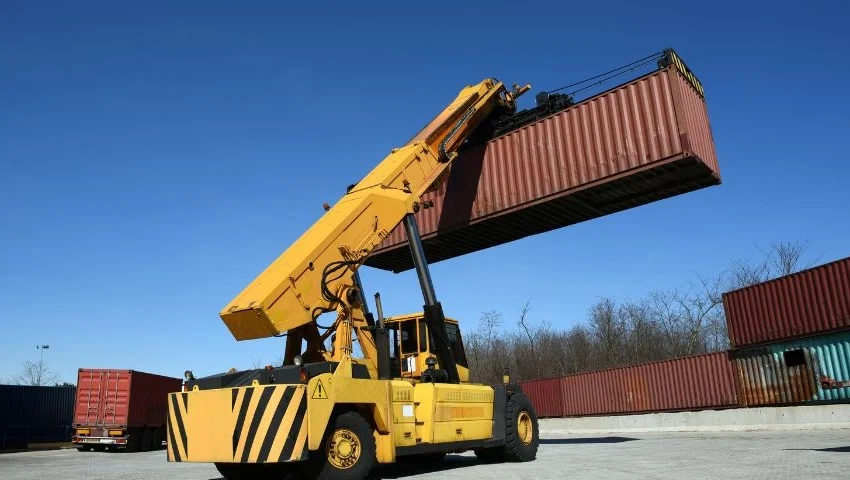
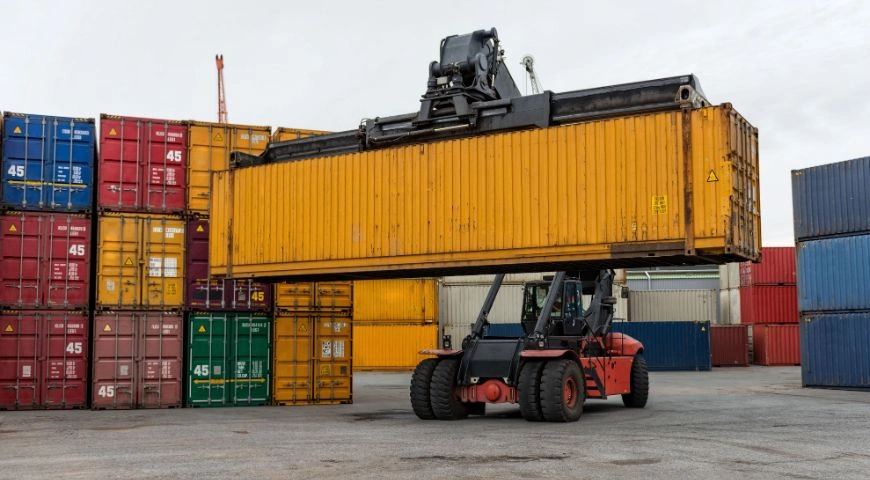
A container handler dealer provides, maintains, as well as services heavy machinery that is utilized in the process of container lifting, stacking, and movement within ports and terminals.
The responsibilities include:
- Provision of new or re-furbished container handlers
- Supply of after-sales services and maintenance
- Availability of spare parts
- Recommendation of equipment and fleet size
A good dealer is a long-term partner and not merely a seller.
The Importance of Dealer Selection in Ports and Terminals
The choice of the appropriate dealer directly affects operational performance.
Operational Uptime
Reliable container handling services depend on well-maintained and fast-serviced equipment.
Safety and Compliance
Experienced dealers ensure machines meet port safety norms and operator standards.
Lower Lifecycle Costs
Strong service backup minimizes breakdown frequency and extends equipment lifespan.
Scalable Cargo Handling Services
The right dealer supports growth during peak seasons or terminal expansion.
Faster Response Times
Local service presence reduces downtime during critical operations.
Key Aspects to Consider in a Container Handler Dealer
Ports should evaluate these core elements before selecting a dealer:
- Equipment Portfolio
Availability of multiple capacities and configurations - Service Network
On-site or nearby technicians with committed response times - Spare Parts Availability
Stock readiness to prevent equipment idle time - Industry Experience
Proven installations in ports, ICDs, and terminals - Training and Support
Operator and maintenance training programs
These aspects ensure smooth and consistent cargo handling services.
Tips on Choosing the Right Dealer: Step-by-Step
- Define Operational Requirements
Container size, stacking height, and daily throughput - Shortlist Container Handler Dealers
Based on geographic presence and port experience - Evaluate Equipment Quality
Review specifications, safety, and reliability - Assess Support and Service Capability
Spare parts turnaround, maintenance SLAs, and escalation process - Reconsider Long-Term Partnership Value
Fleet expansion support and upgrade movement
This structured approach mitigates risk and improves ROI.
Common Stumbling Blocks and Operational Irritations
- Selection based on price alone
Low initial cost often leads to higher downtime expenses - Ignoring service reach
Delayed support postpones critical repairs - Weak spare parts forecasting
Low availability of parts can halt operations - Failure to align dealer with cargo handling services plans
Equipment must integrate into the terminal’s larger workflow
Avoiding these pitfalls ensures smoother operations.
Future Trends in Container Handler Dealer Partnerships
Dealer expectations are evolving alongside port operations.
Emerging trends include:
- Container handlers with predictive maintenance
- Bundling of container handling services with equipment
- Fleet optimization consulting by dealers
- Integration with digital port management systems
Dealers are becoming solution partners rather than equipment suppliers.
CTA: Strengthen Terminal Operations
Looking to improve port or terminal uptime and reliability? Selecting the right container handler dealer can significantly boost efficiency and reduce risk. Contact our team to learn how your equipment strategy can align with dependable cargo handling services.
Conclusion
For ports and terminals, equipment reliability is non-negotiable. Choosing the right container handler dealer ensures not just quality machinery, but consistent service, safety compliance, and operational resilience. Strong dealer partnerships enhance container handling services, support scalable cargo handling services, and protect long-term investments. By prioritizing service capability, experience, and partnership value over price alone, terminals can build efficient, safe, and future-ready operations.
FAQs
Why is dealer selection critical for container handlers?
Dealer support directly affects uptime, safety, and lifecycle costs in port operations.
What should ports consider when selecting a container handler dealer?
Service reach, spare parts availability, industry experience, and long-term support capability.
Does the right dealer improve cargo handling efficiency?
Yes. Reliable cargo handling services result from well-supported, high-availability equipment.
Does local dealer presence matter?
Absolutely. Local presence ensures faster response times and reduced downtime.
How often should terminals review dealer performance?
At least once a year, based on uptime, service response, and operational disruptions.